Publications in 2025
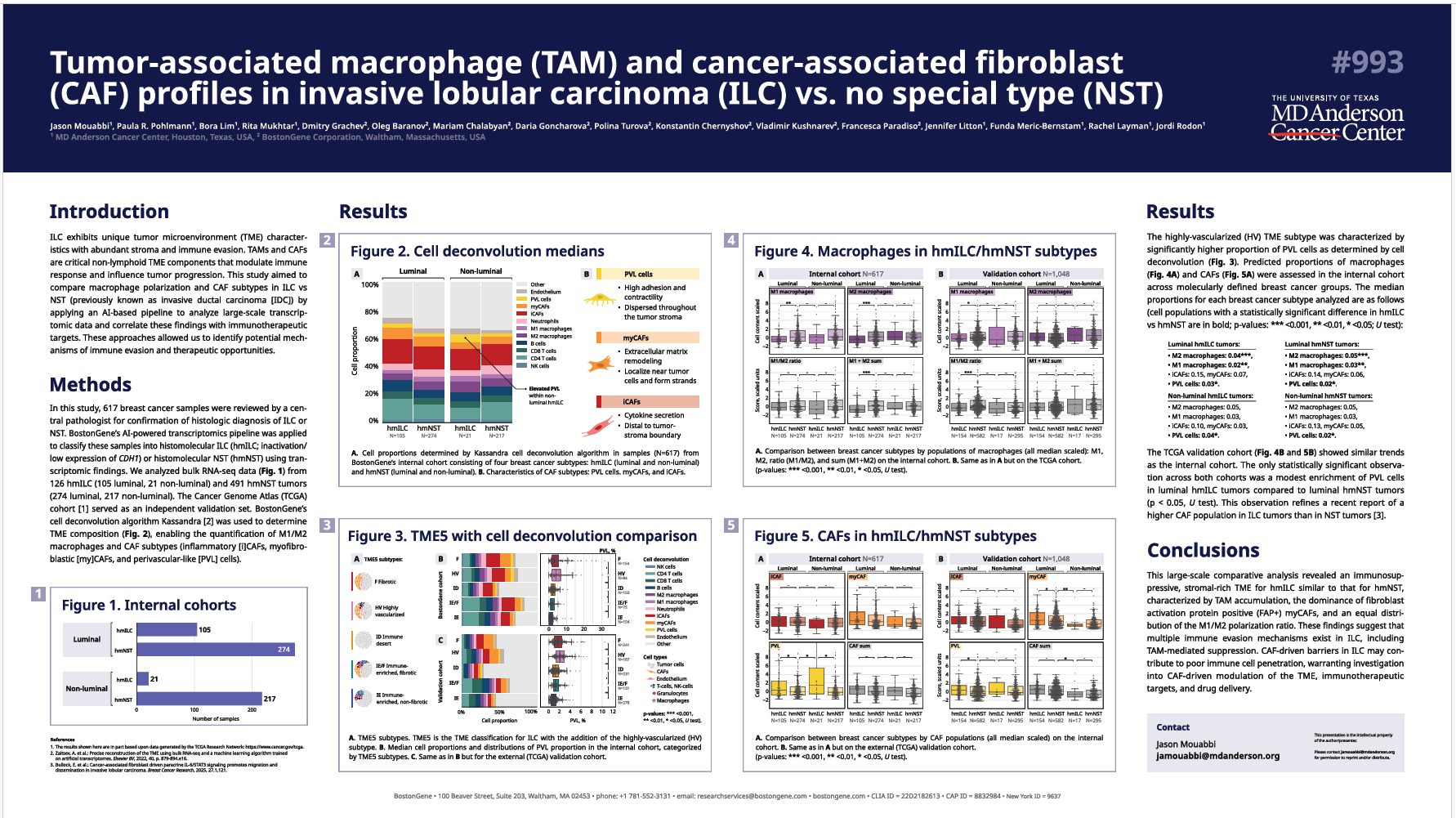
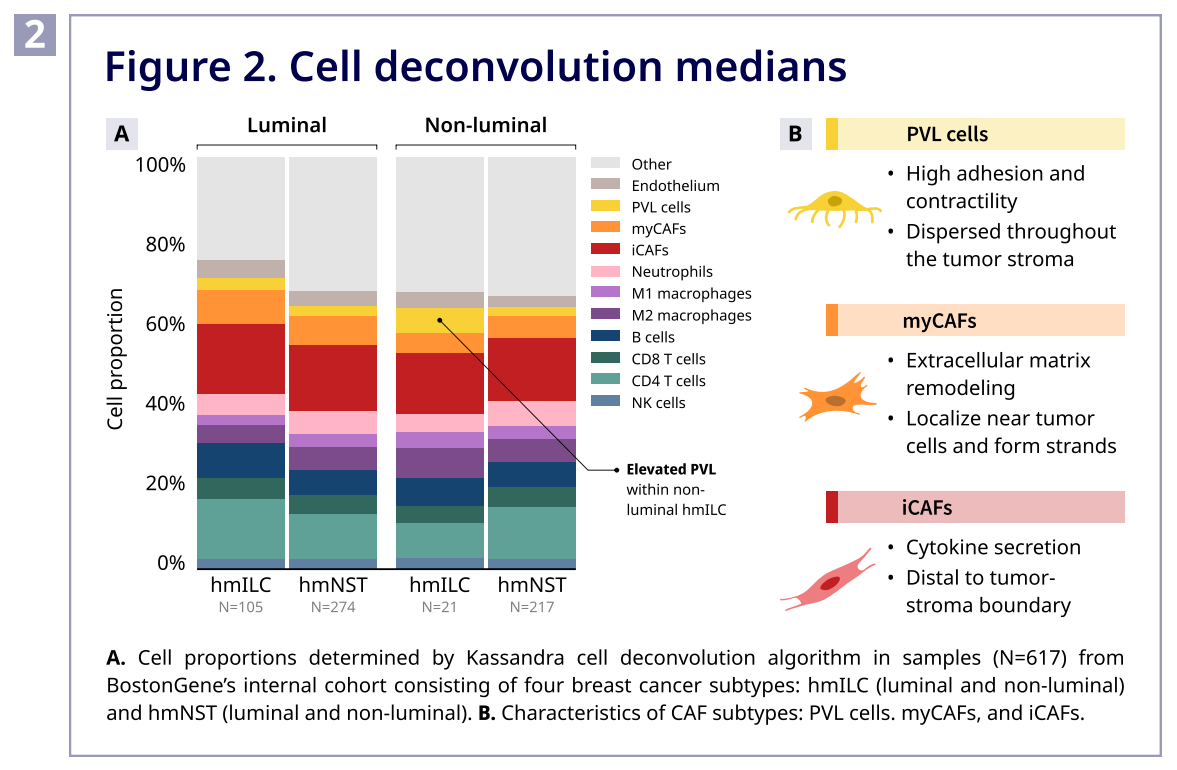
In 2025, I lead a bioinformatics and NGS data analytics department. Over the year, our team supported 26 abstracts and 4 papers — we processed data, formulated and tested hypotheses, ran statistics, created figures, and wrote results and methods. Most of the abstracts were collaborations with clinics and universities, along with a few fully in-house studies. Participating in conferences helps us demonstrate our expertise, build new connections, and start new projects. Below are some of the most interesting examples.
Paper “Breast Cancer Classifier...”
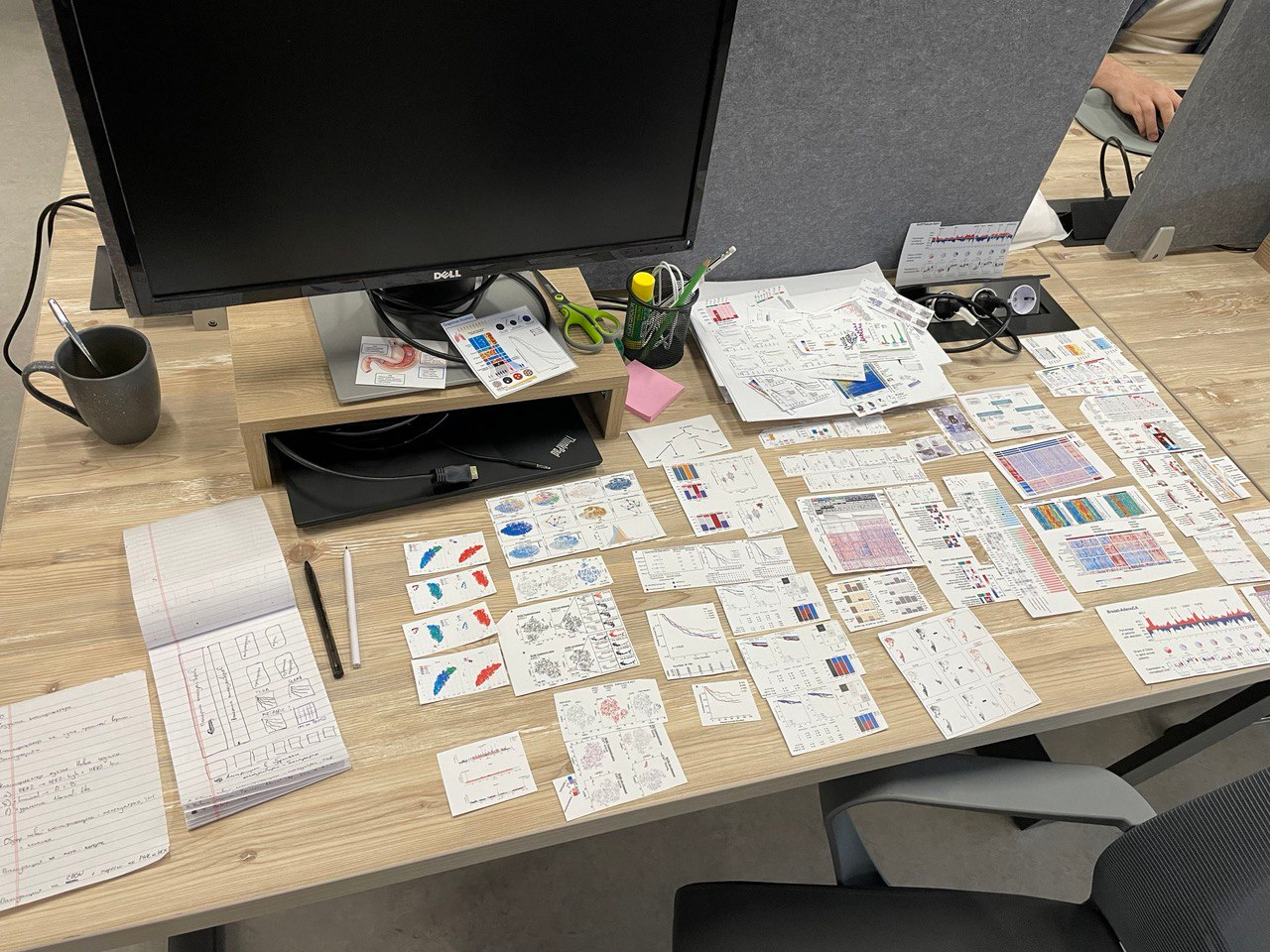
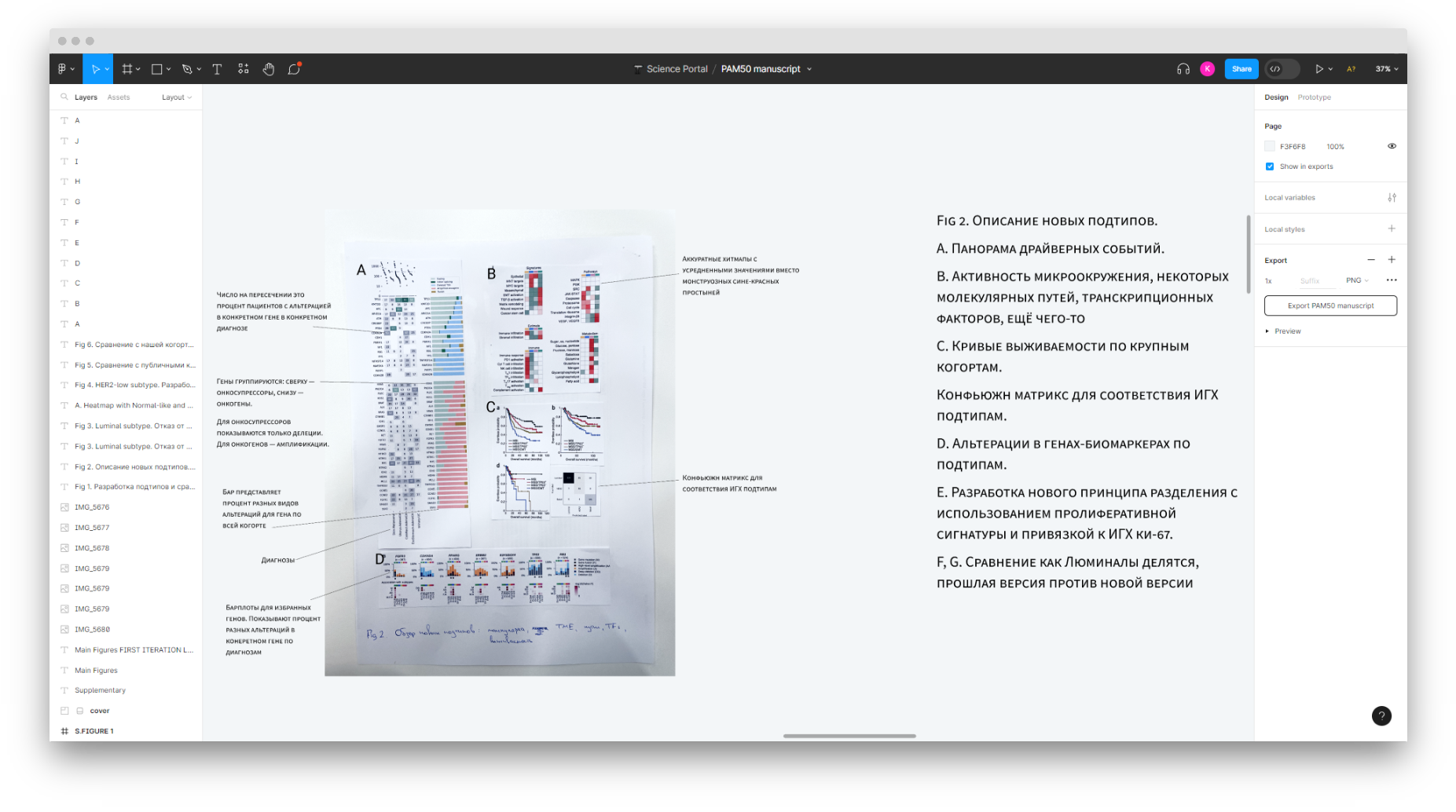
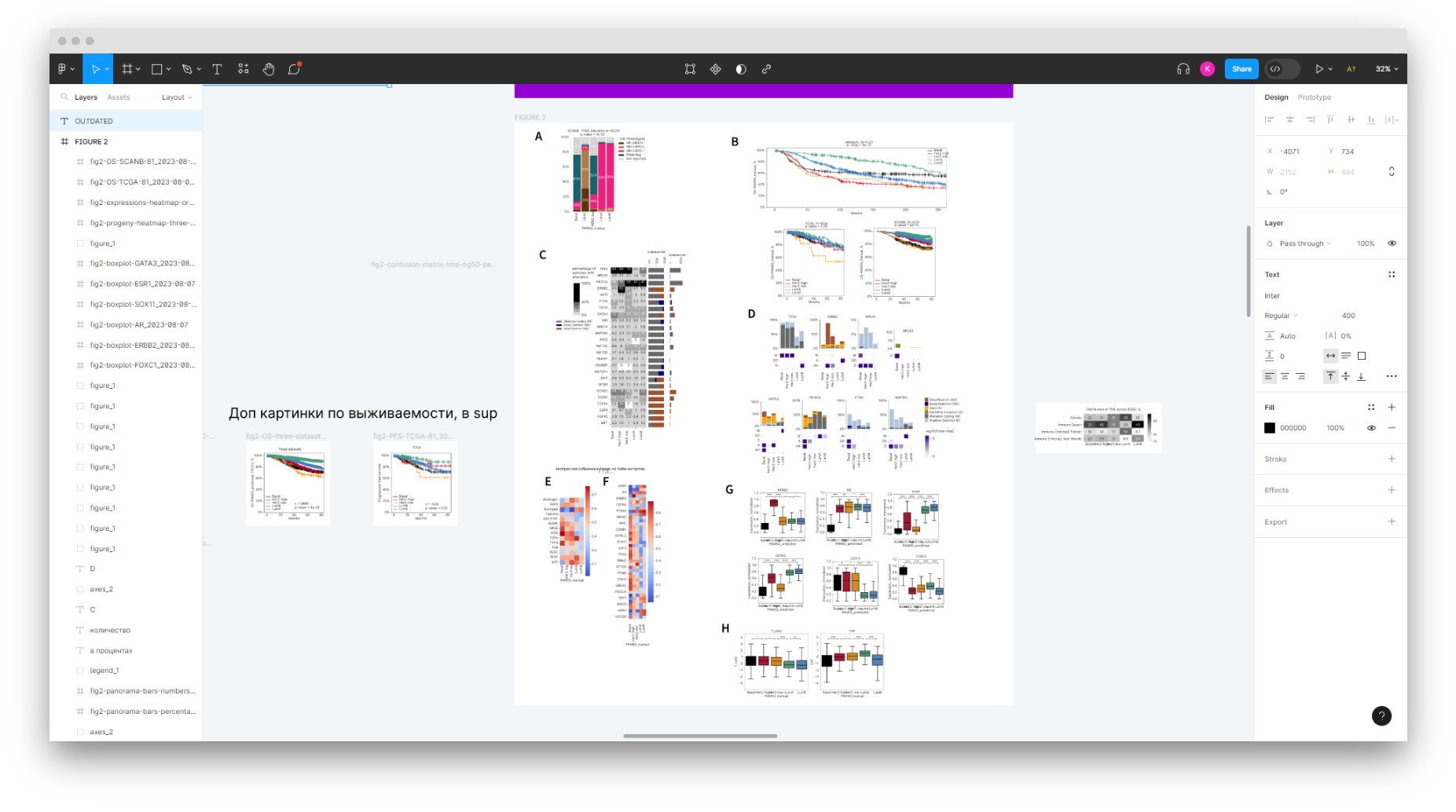
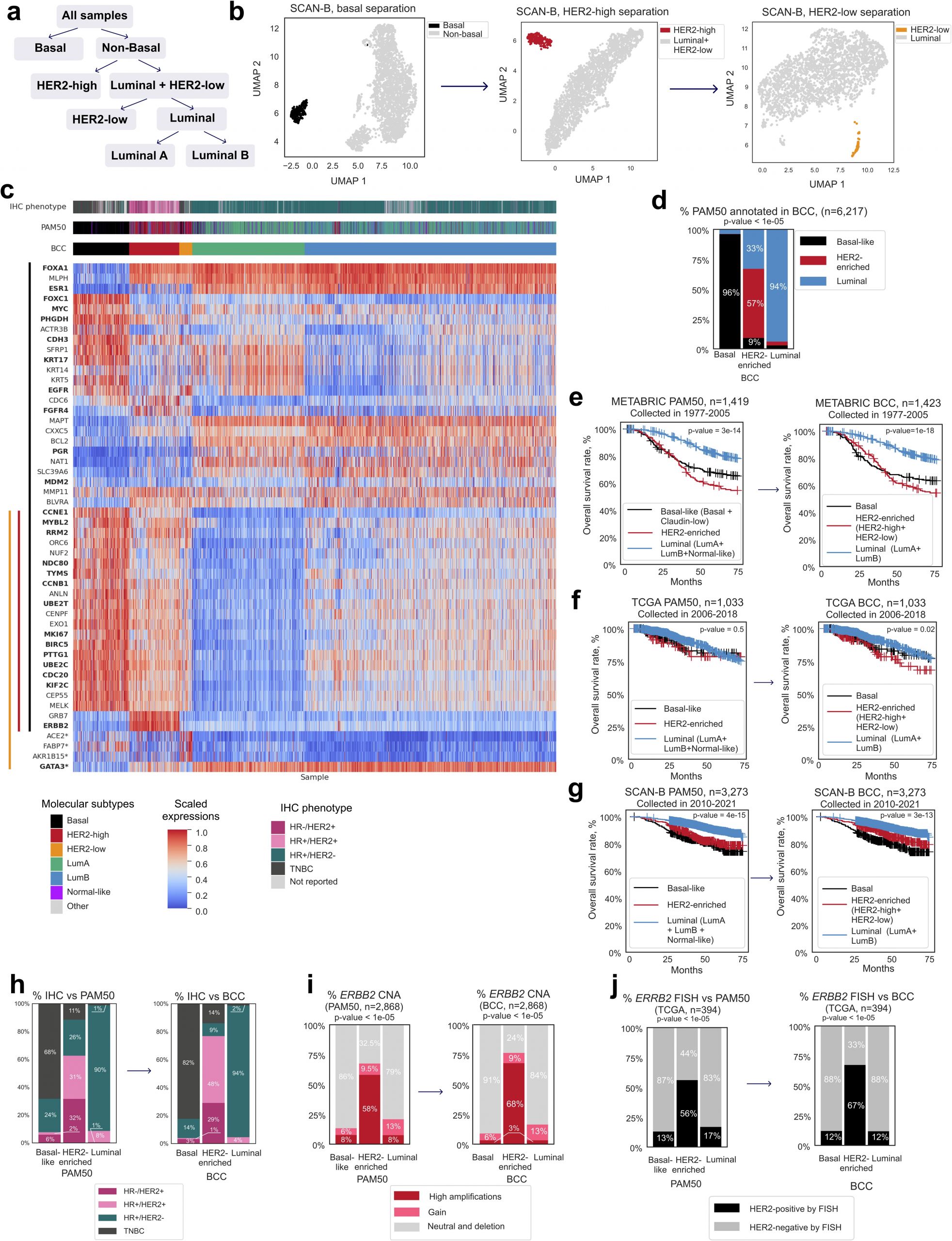
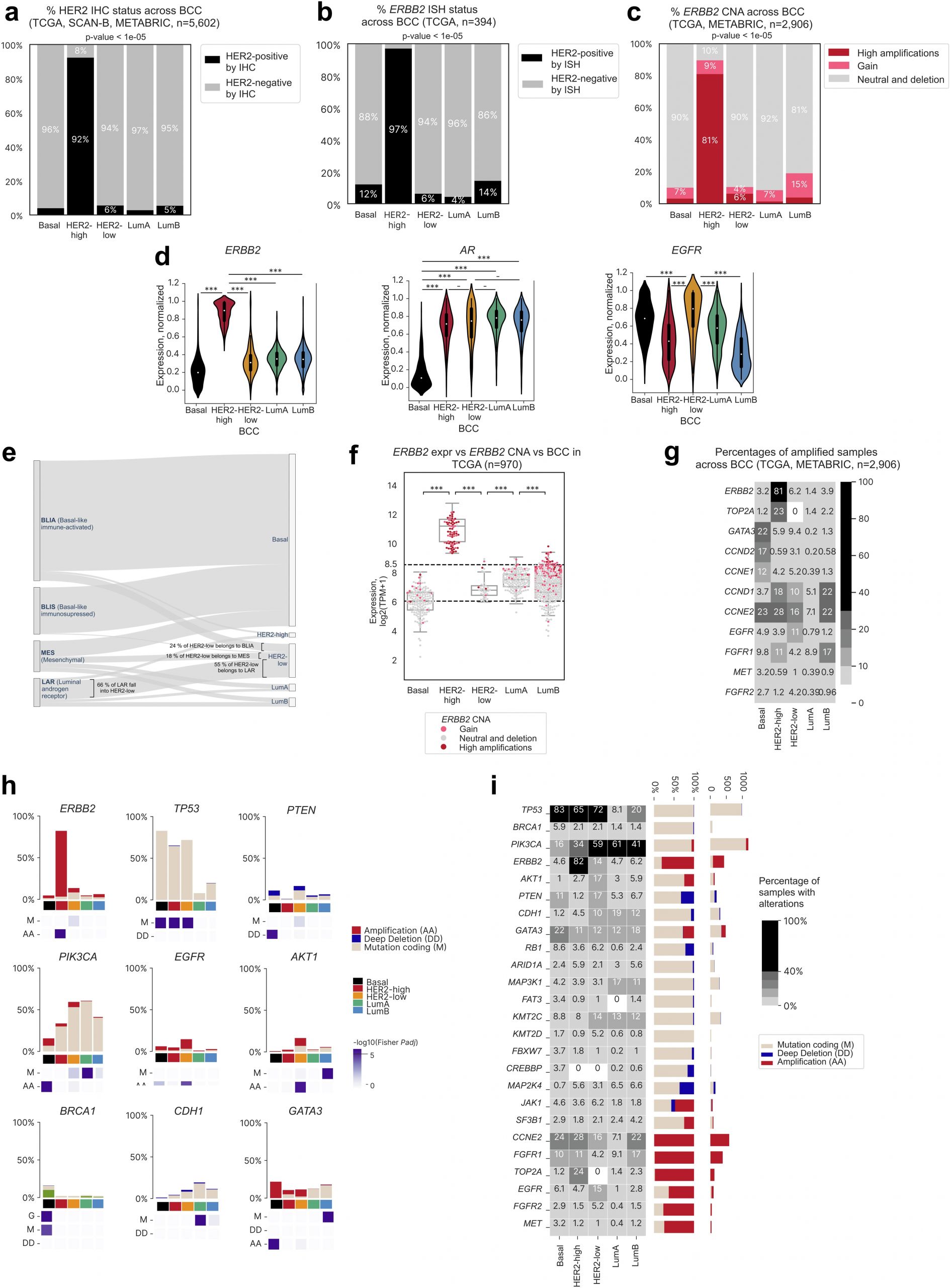
There is a well-known breast cancer classification called “PAM50” — it was developed about thirty years ago and describes molecular-level differences and their relationship to patient prognosis. Everyone knows and uses it, but due to legal restrictions, we could not apply it directly. Our goal was to redesign a similar classification — conceptually close, no worse, and ideally better.
I led the project: defined the problem, structured the narrative, broke it down into key blocks, selected the figures, grouped them into panels, and estimated the scope of work. The full analysis, writing, and final visualization were done by Polina Turova, the first author.
We redesigned the classifier, showed that it performs on par with the original, introduced a new HER2-low subtype, and removed the Normal-like subtype. In 2023, this work was presented at the SABCS conference as an abstract and poster, and in 2025 it was published in a solid journal.
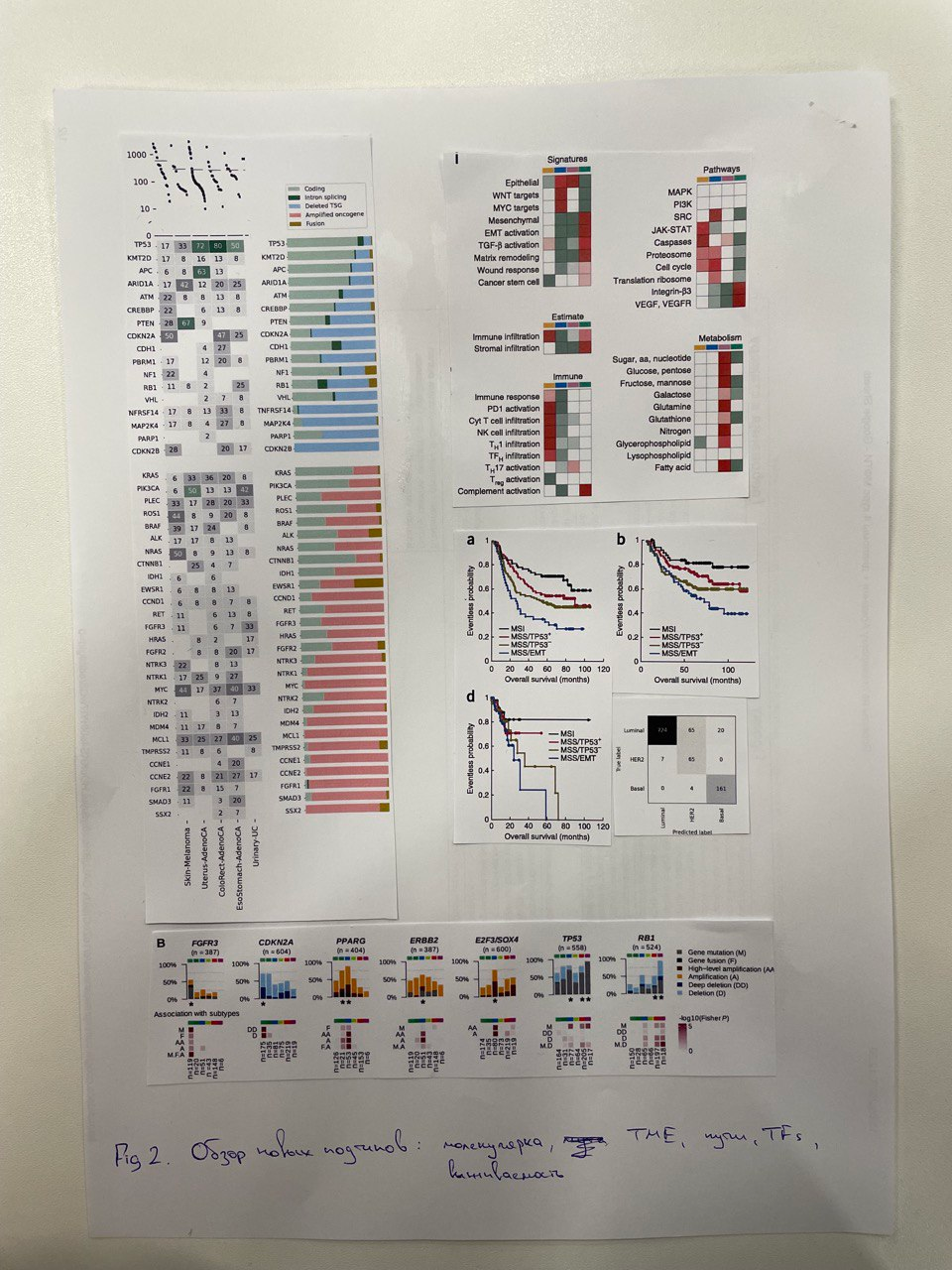
Paper ”Validation of combined DNA and RNA analysis in oncology...”
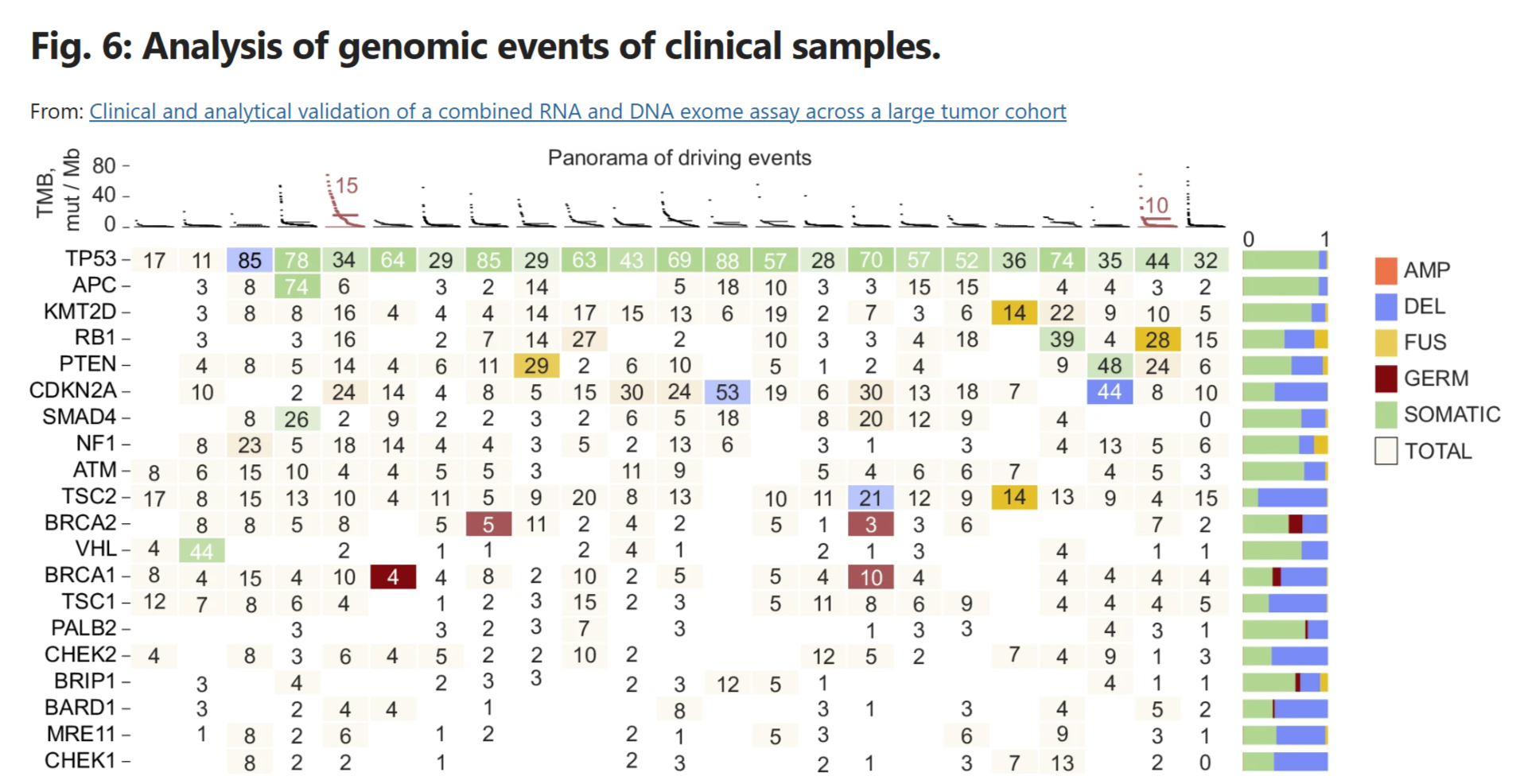
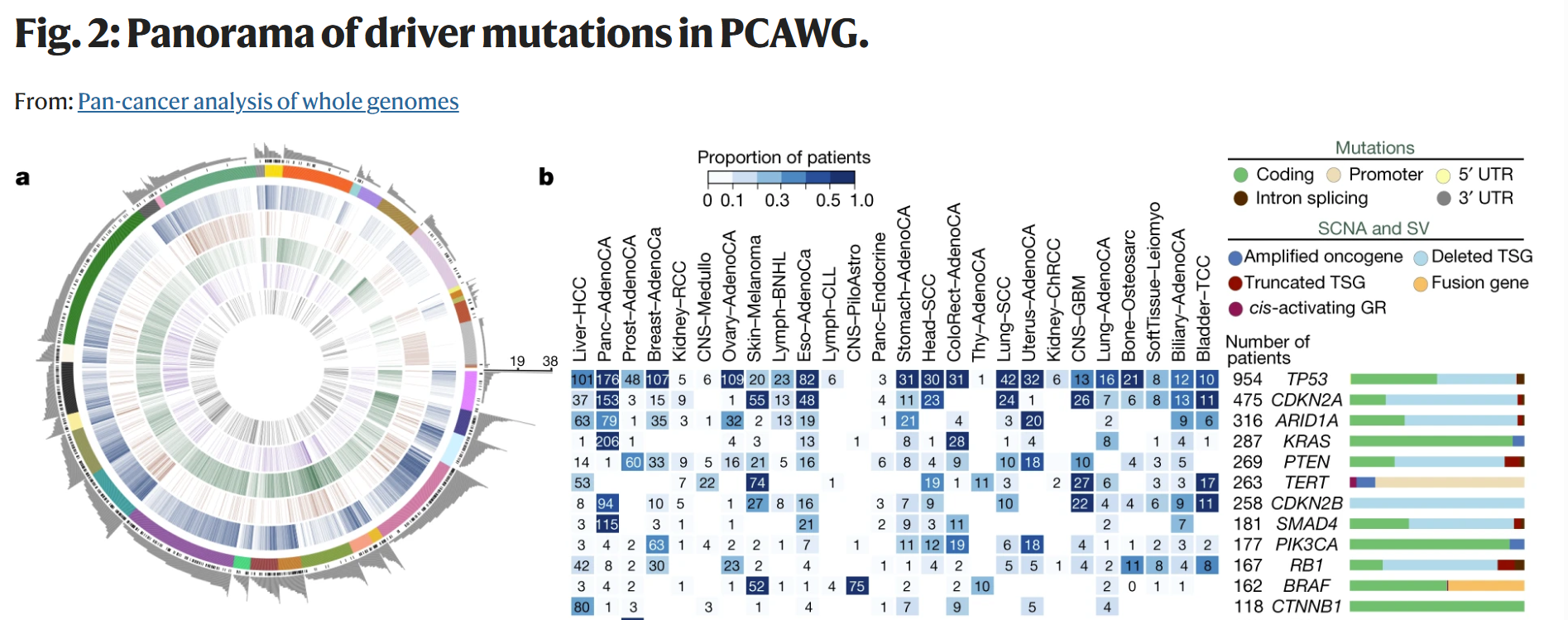
This paper describes how BostonGene analyzes patient data. I contributed to one of the sections — proposing a methodology for analyzing genetic events in patients and how to visualize them.
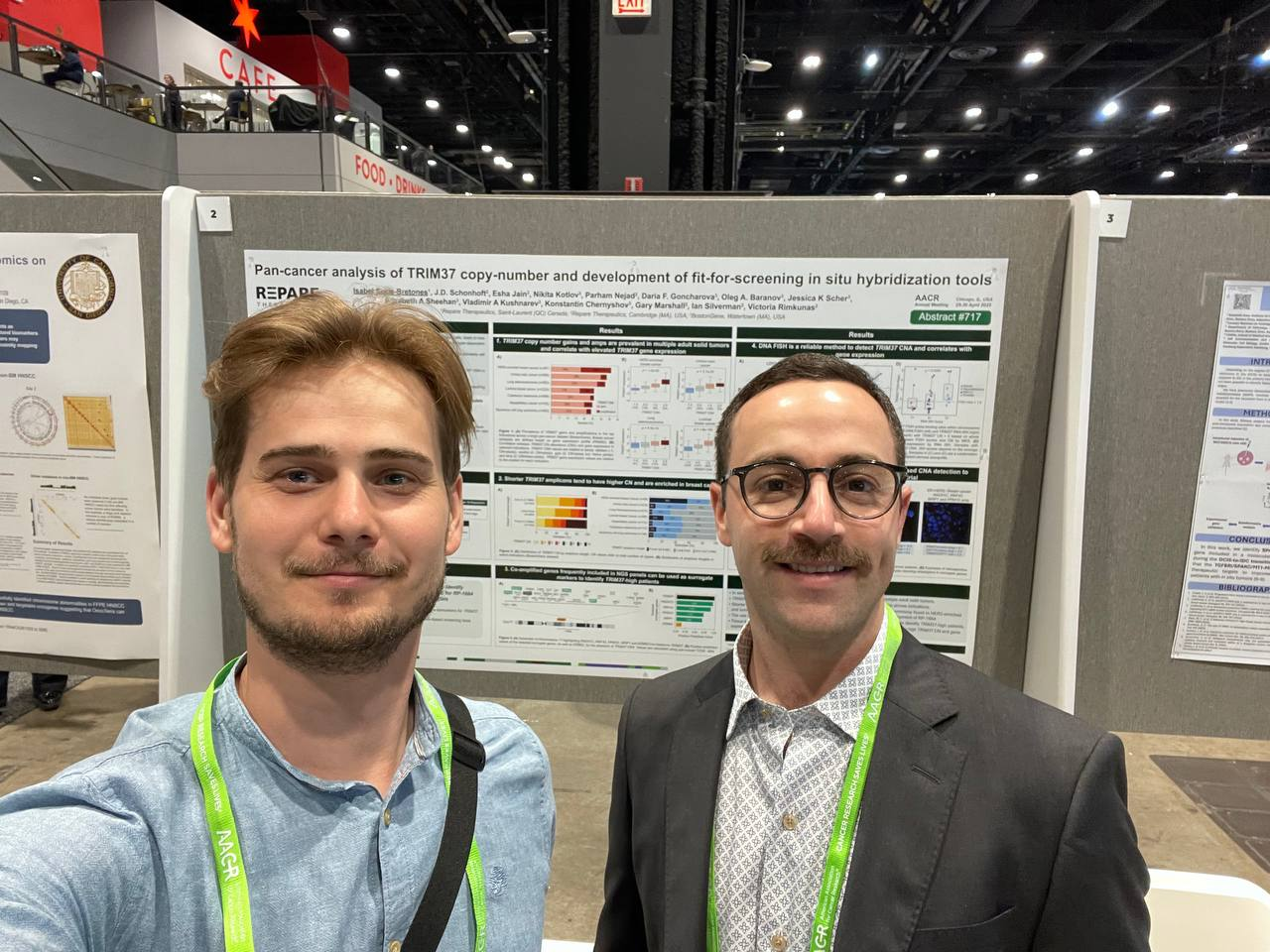
American Association for Cancer Research
A large oncology conference in the US, with a strong focus on translational medicine.
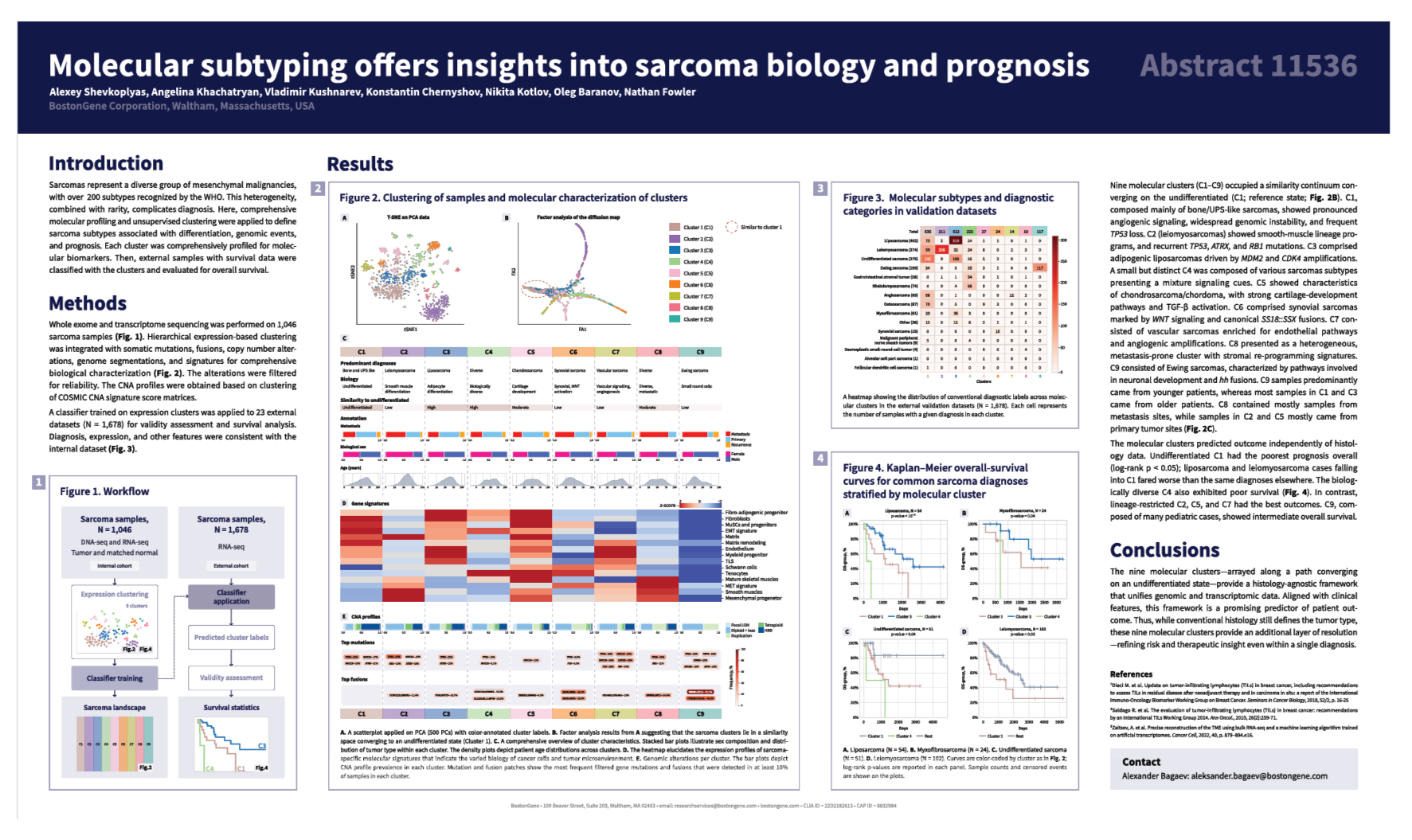
American Society of Clinical Oncology
The main clinical oncology conference in the US.
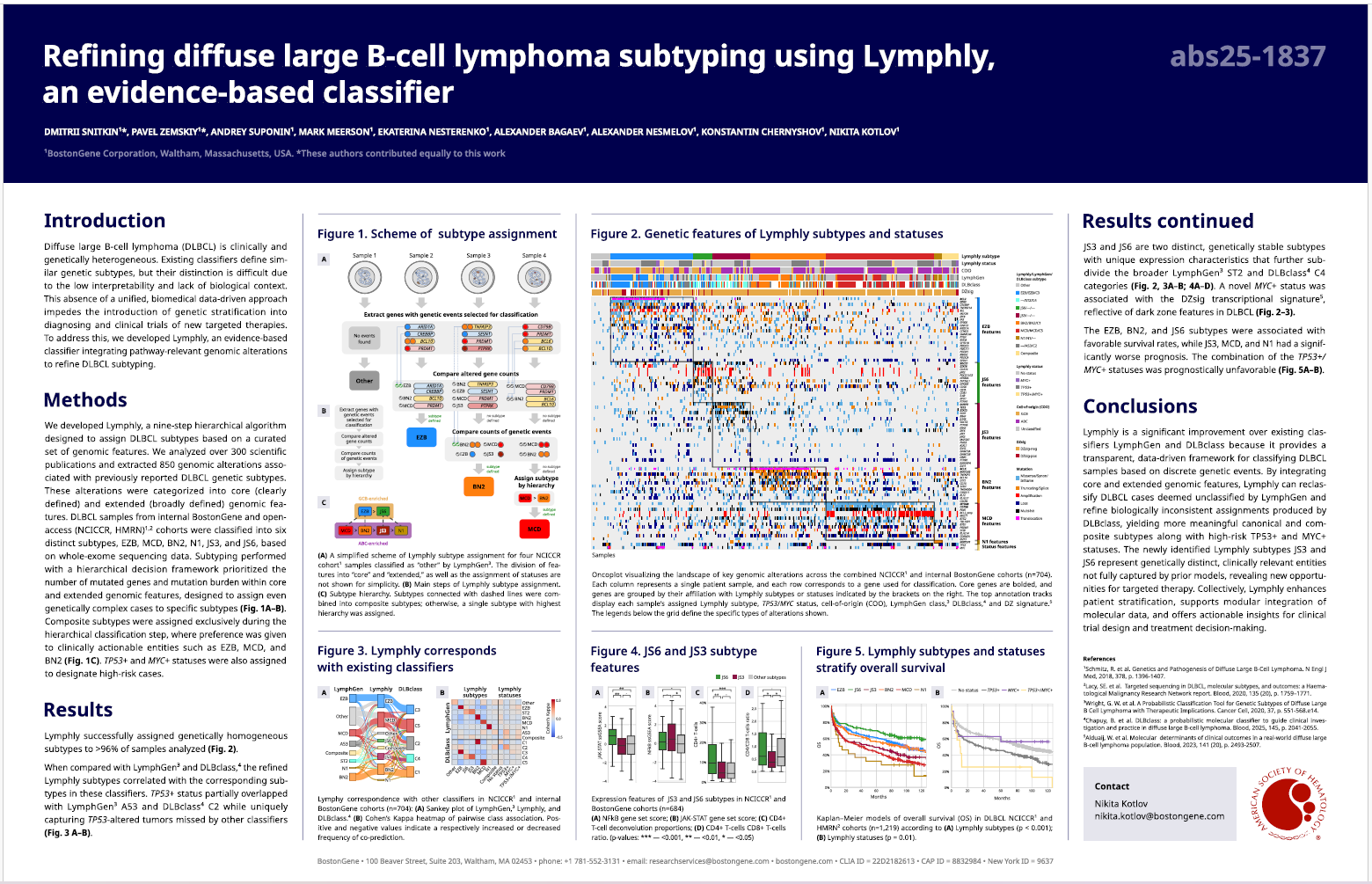
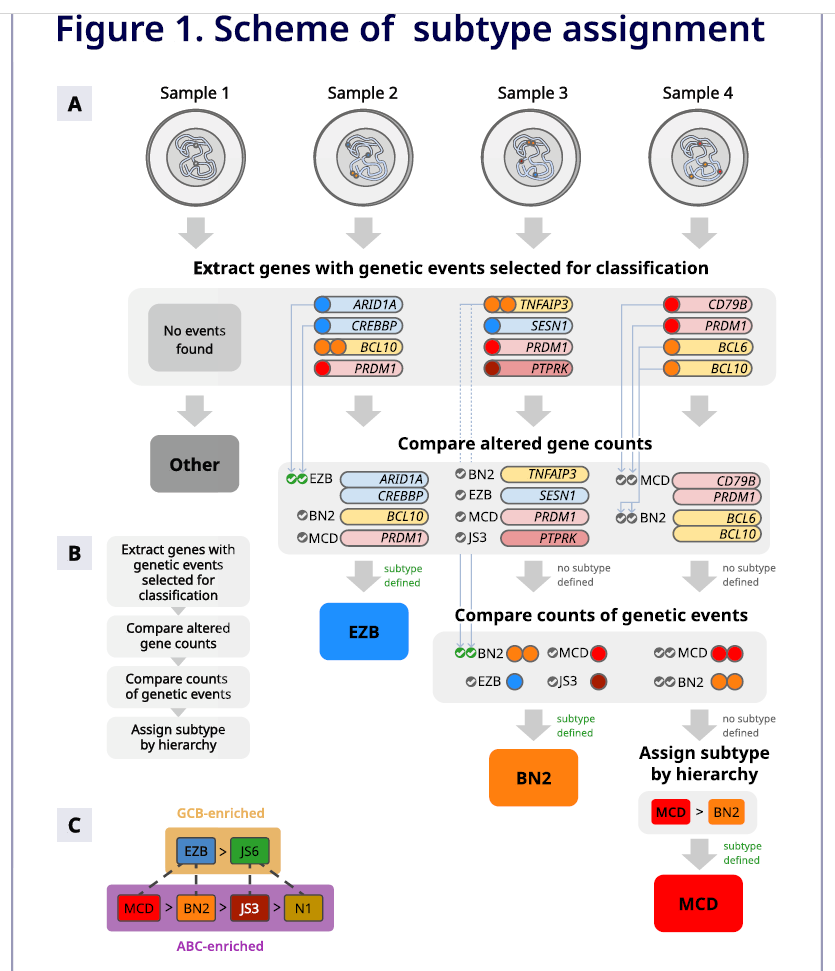
American Society of Hematology
The largest conference on lymphomas and blood disorders in the world.
San-Antonio Breast Cancer Symposium
The largest conference on breast cancer in the world.