Publications in 2026
In 2026, I am leading the Bioinformatics Department at BostonGene. In addition to our core work — client projects — we run a small research program within the department to deepen our expertise in oncology and build expertise in other areas, such as autoimmune diseases. This year, I led one complete research project; on the others, I served as a mentor and oversaw quality control.
American Association for Cancer Research
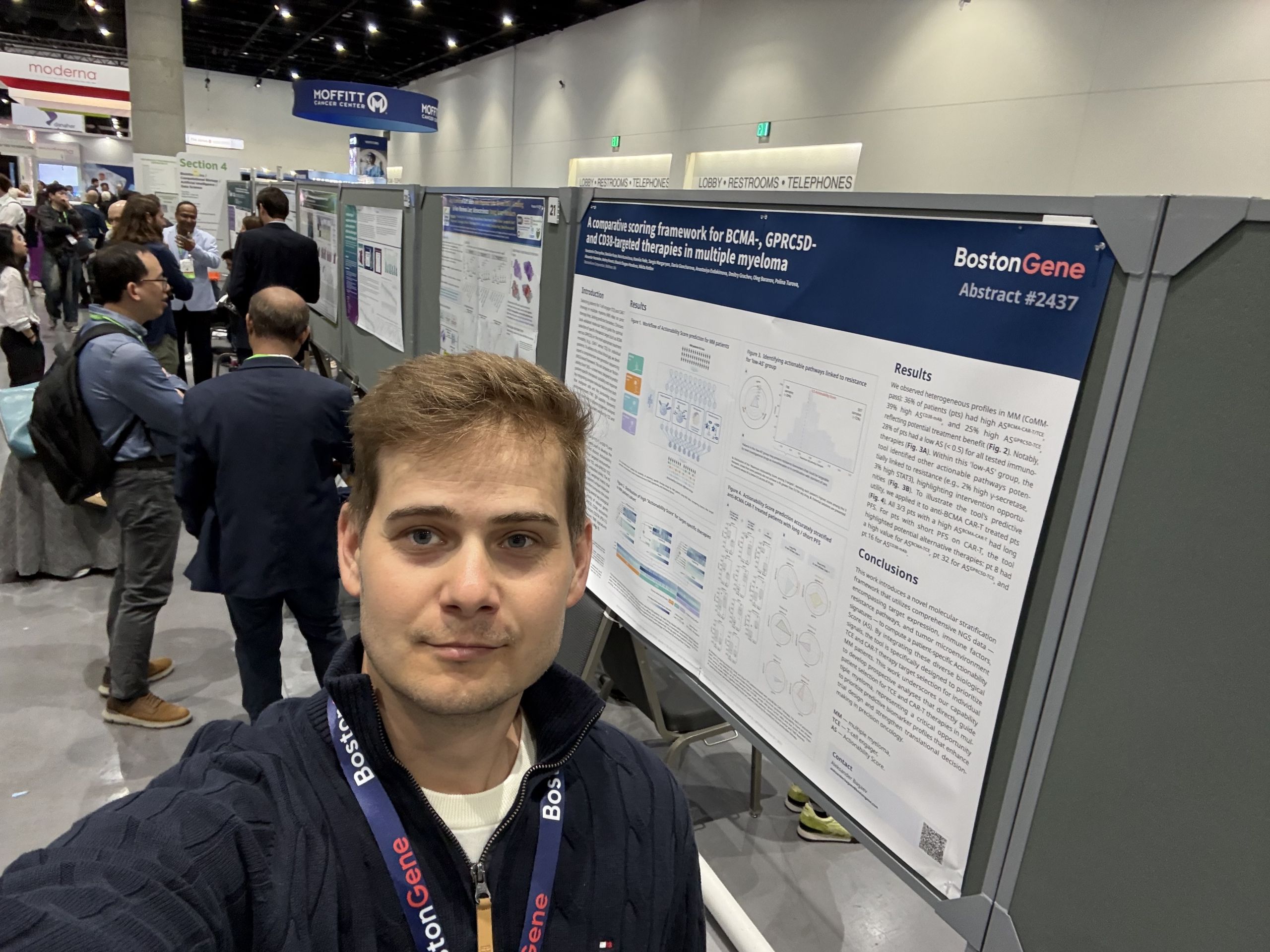
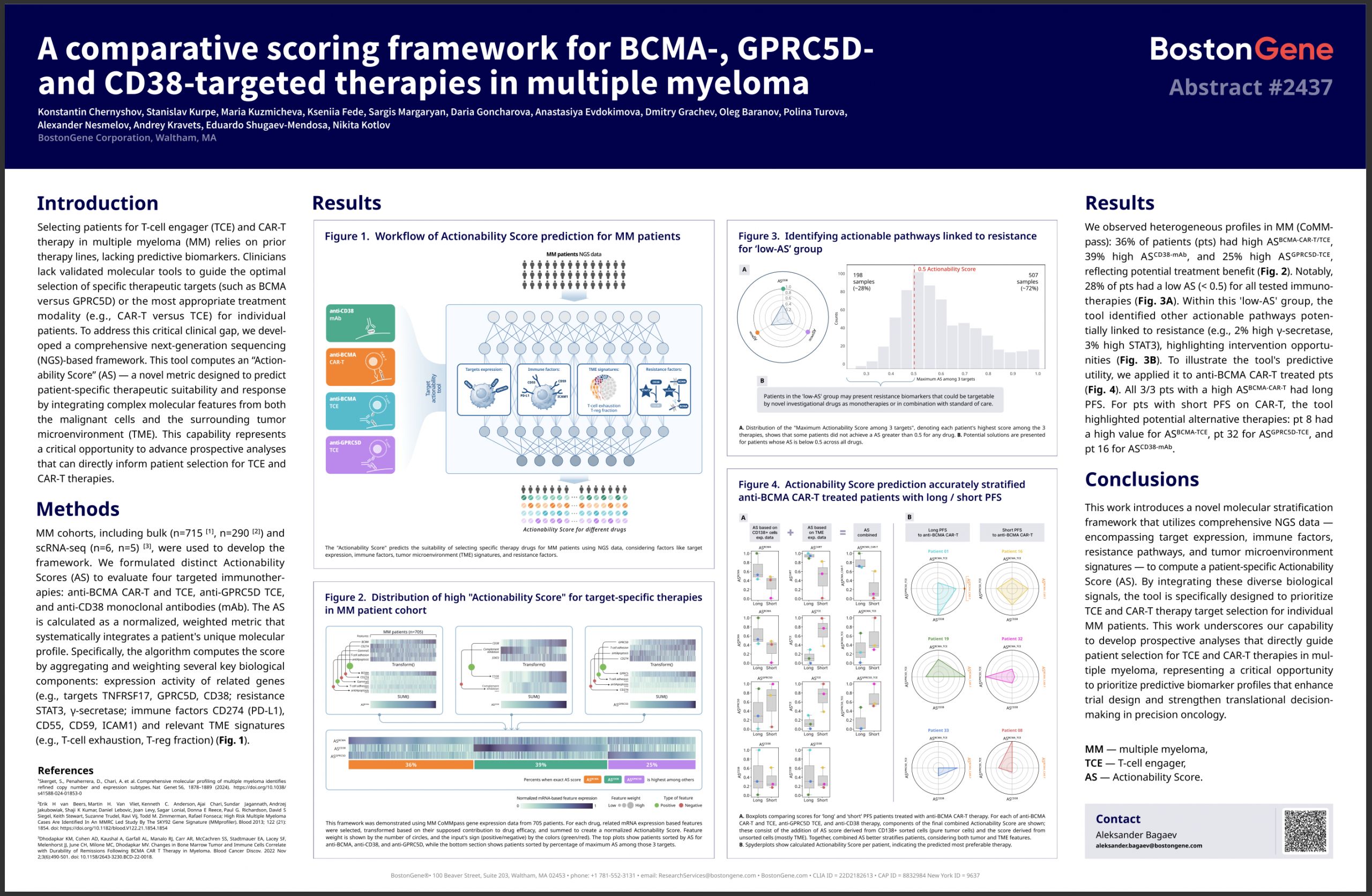
“A comparative scoring framework for BCMA-, GPRC5D- and CD38-targeted therapies in multiple myeloma”
I am the first author here: I came up with and substantiated the idea, designed the experiments, assembled the team, delegated parts of the work, pulled the results together, designed the visualizations, wrote the text, and presented the study at the conference.
We proposed the Actionability Score — an NGS-based approach for assessing which target and which type of immunotherapy may be best suited for a patient with multiple myeloma: BCMA- or GPRC5D-targeted therapy, CAR-T, a T-cell engager, or an anti-CD38 antibody. The score accounts for target activity, resistance features, and the state of the tumor microenvironment. The results looked promising in a small retrospective cohort, but the approach still needs to be validated in larger cohorts.
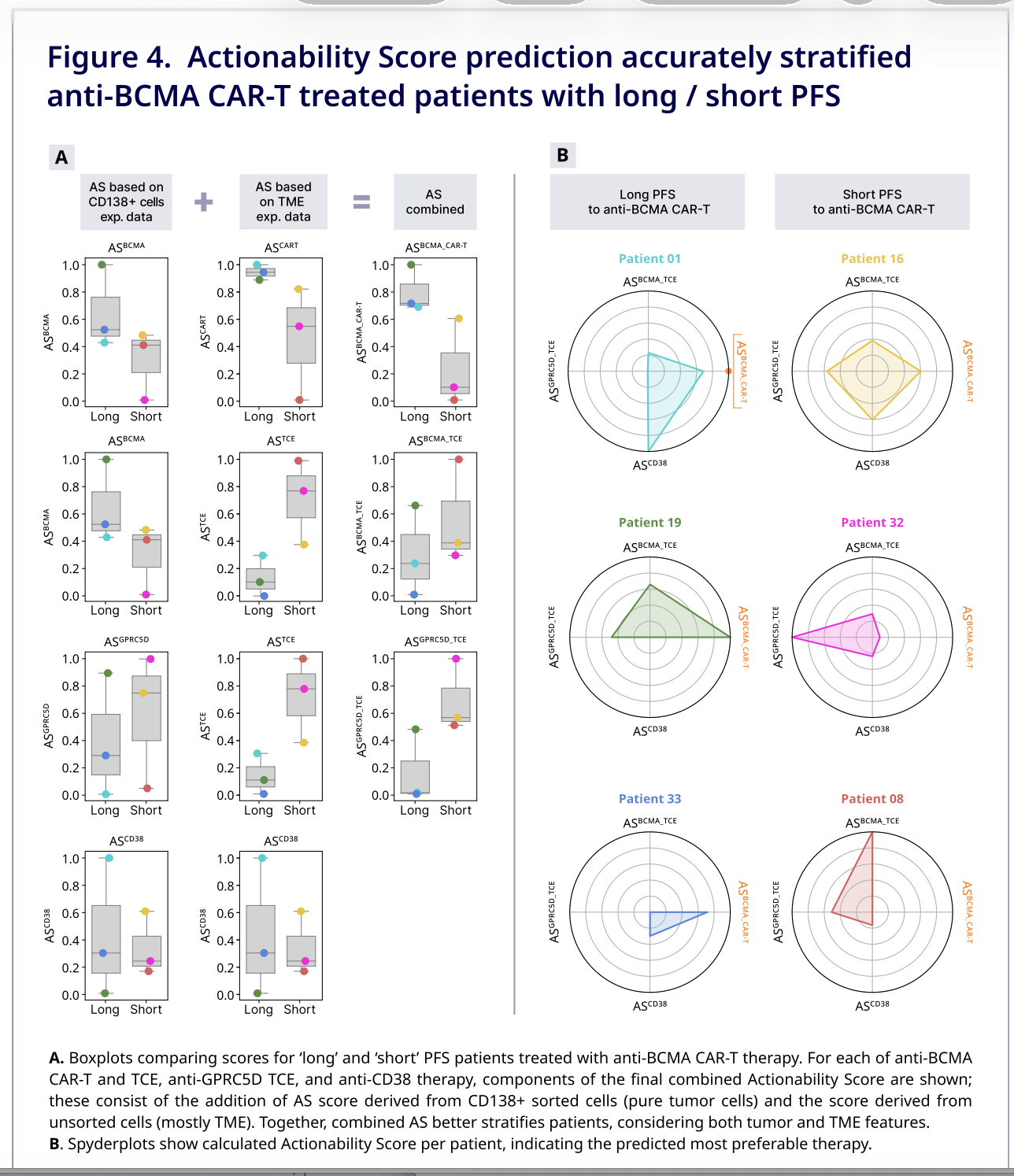
Update, 8 September 2026: an updated poster, “An Actionability Score for BCMA-, GPRC5D-, and CD38-targeted therapy selection in multiple myeloma”, is listed in Clinical Lymphoma, Myeloma & Leukemia. It develops the AACR work; I remain the first author. Updated poster and abstract.
“Integrative application of Lymphly reveals shared molecular landscape across B-cell lymphomas”
Lymphly was originally developed for diffuse large B-cell lymphoma. We applied it to other B-cell lymphomas and found shared genetic and transcriptomic patterns across diagnoses. For example, individual Lymphly subtypes were linked to follicular, Burkitt, marginal zone, and primary mediastinal B-cell lymphomas.
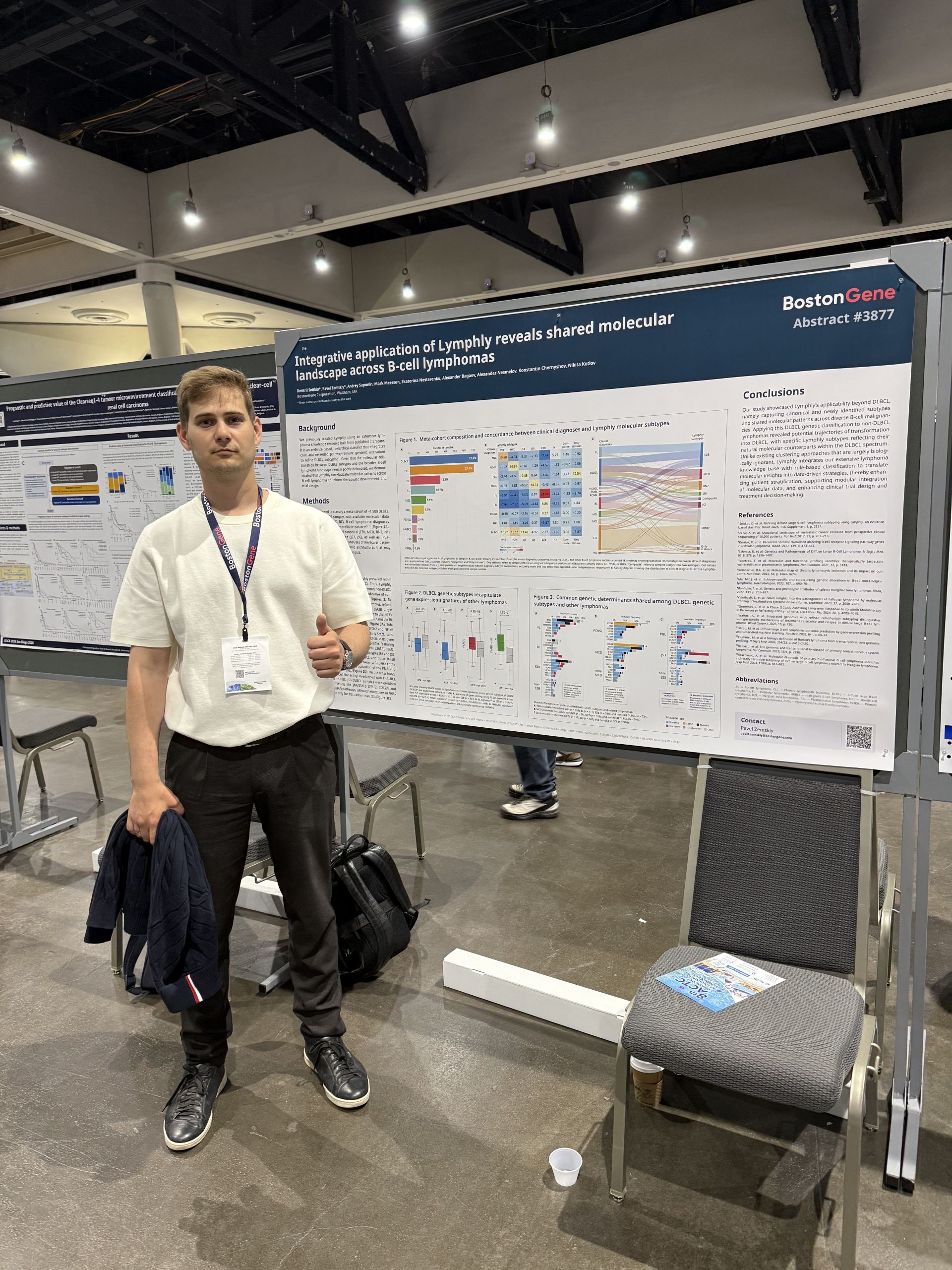
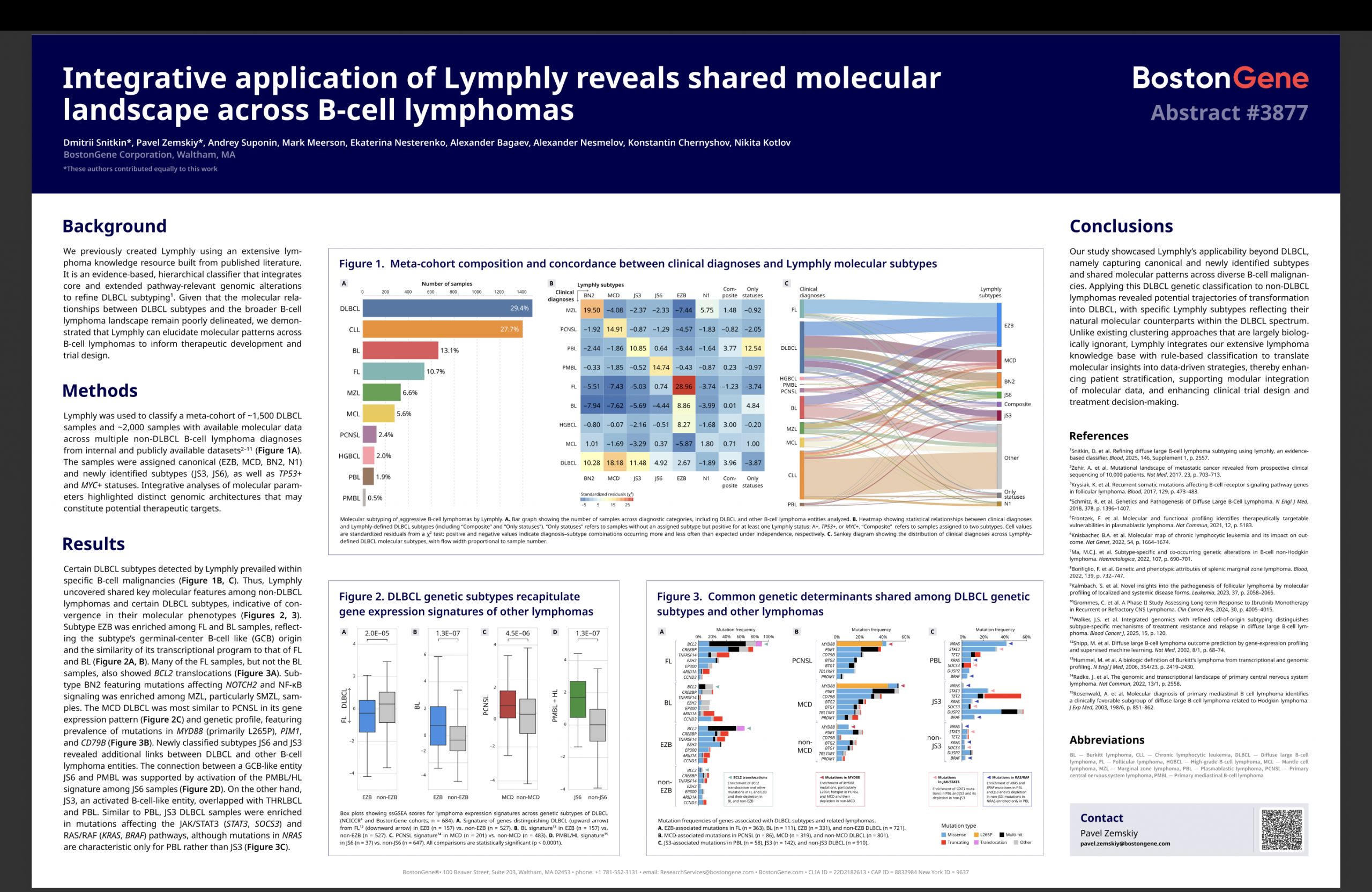
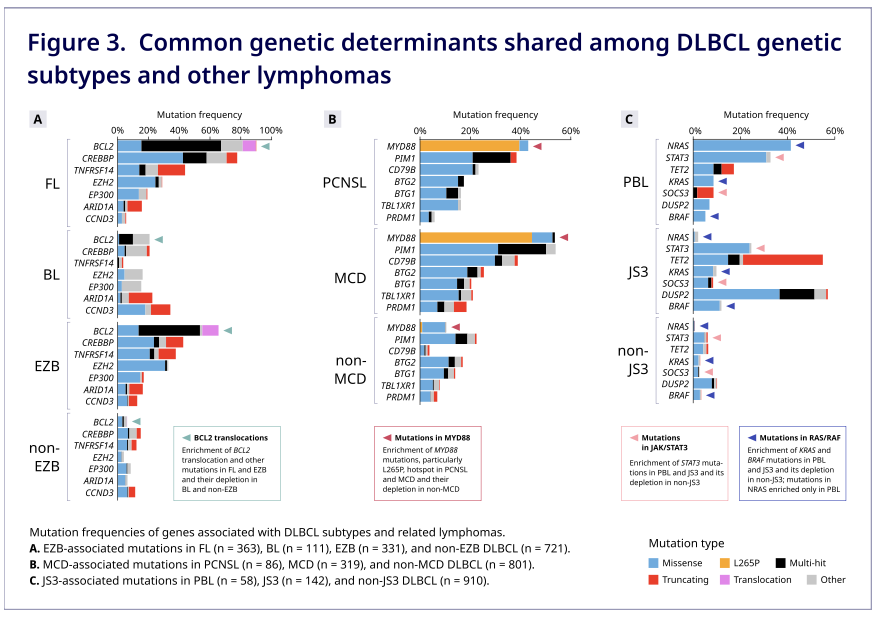
Related work, 8 September 2026: “Cross-disease stratification by genetic classifier Lymphly reveals shared molecular programs across B-cell malignancies”, listed in Clinical Lymphoma, Myeloma & Leukemia. The analysis includes 4,353 DLBCL and 2,203 other B-cell lymphoma samples. I am a co-author. Poster and abstract.
American Society of Clinical Oncology
The main clinical oncology conference in the US.
“Examining the tumor microbiology and microenvironment of patients with triple negative inflammatory breast cancer receiving Keynote 522”
Together with the MD Anderson team, we studied tumor samples from patients with triple-negative inflammatory breast cancer receiving the KEYNOTE-522 regimen. Patients with a pathologic complete response had higher PD-L1 expression and a trend toward greater T-cell abundance. Non-responders showed angiogenic changes; some post-treatment samples showed increased fibrosis or a reduced immune component. The cohort was small, so these observations need further validation. I am a co-author of the abstract.
European Hematology Association
Europe’s leading hematology conference.
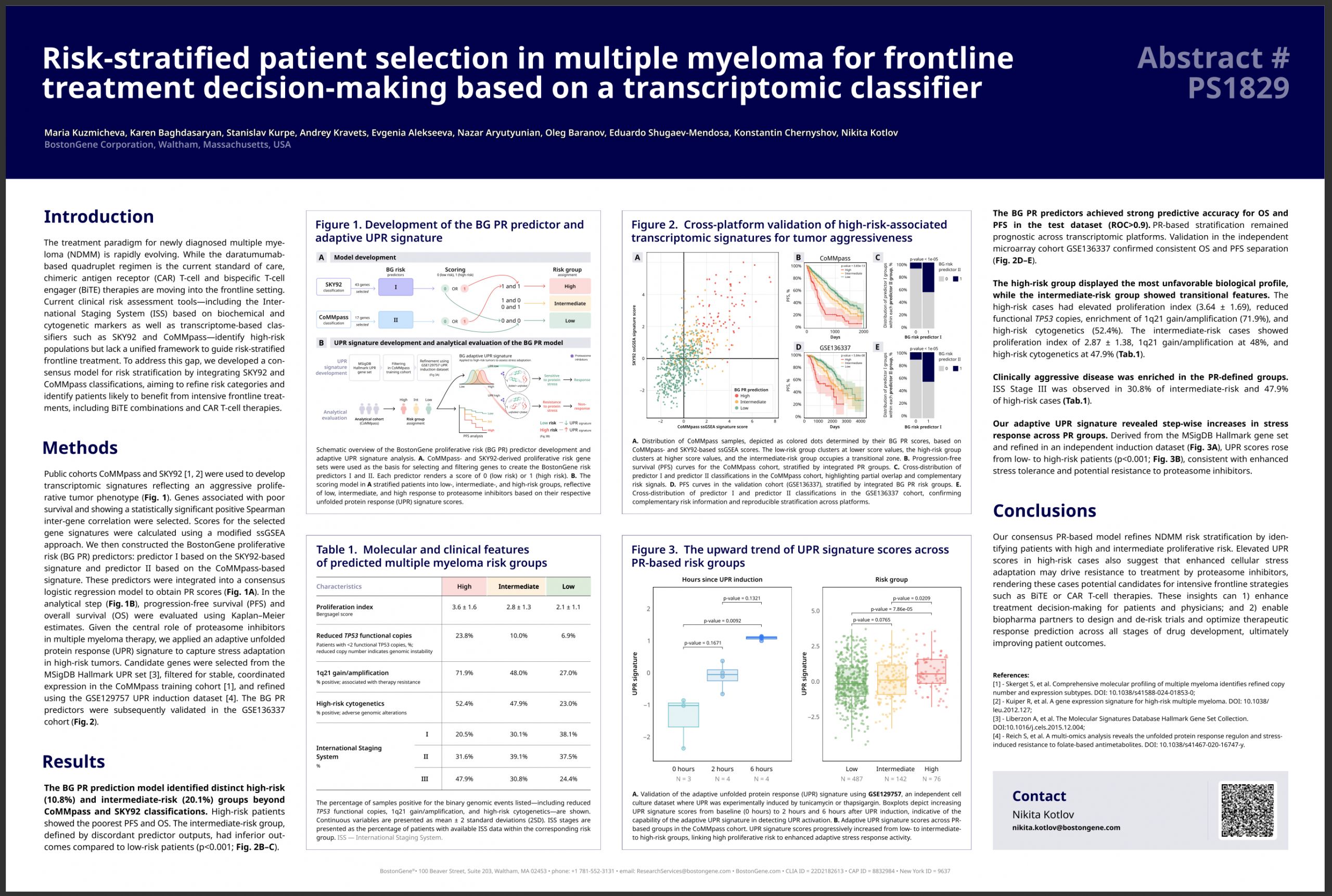
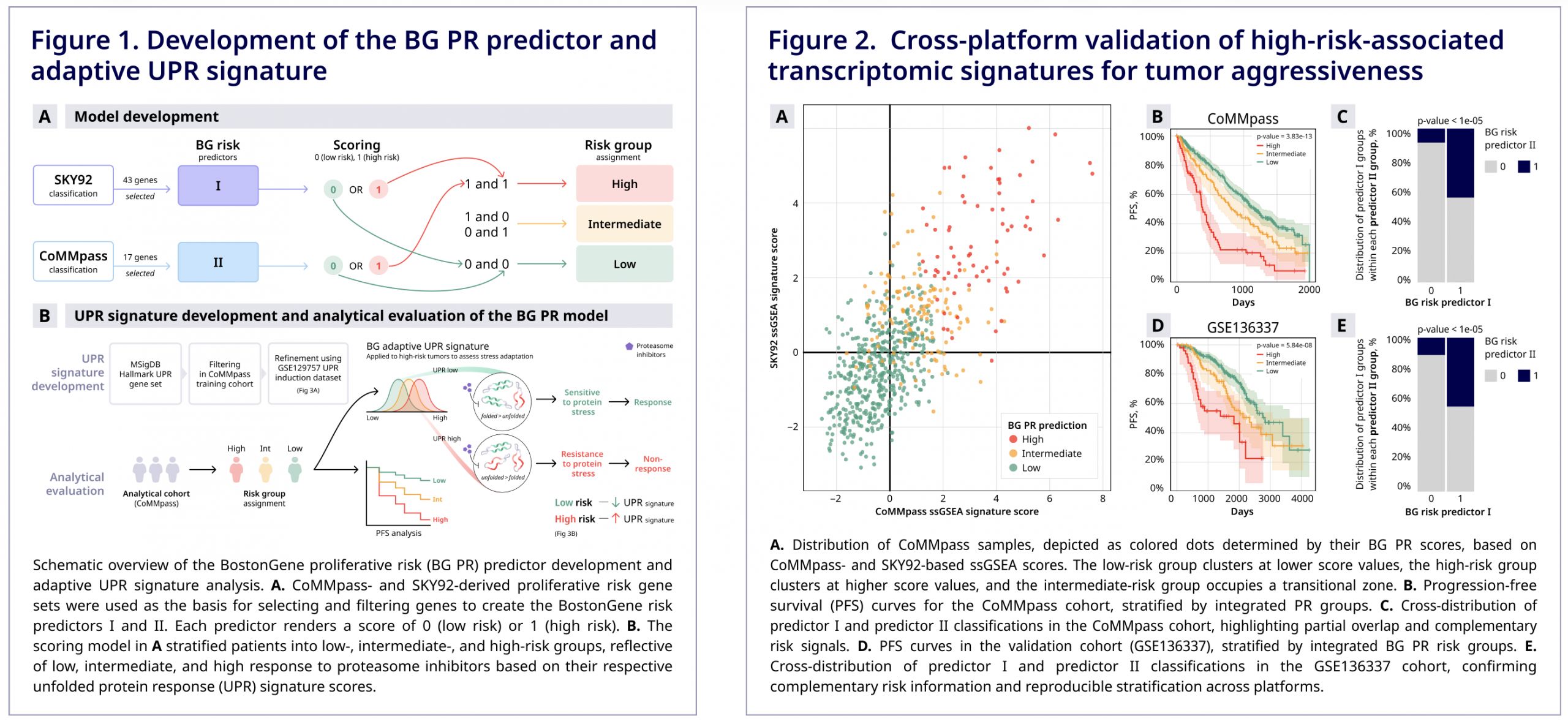
“Risk-stratified patient selection in multiple myeloma for frontline treatment decision-making based on a transcriptomic classifier”
We combined the ideas behind two transcriptomic multiple myeloma classifiers and built a consensus risk model.
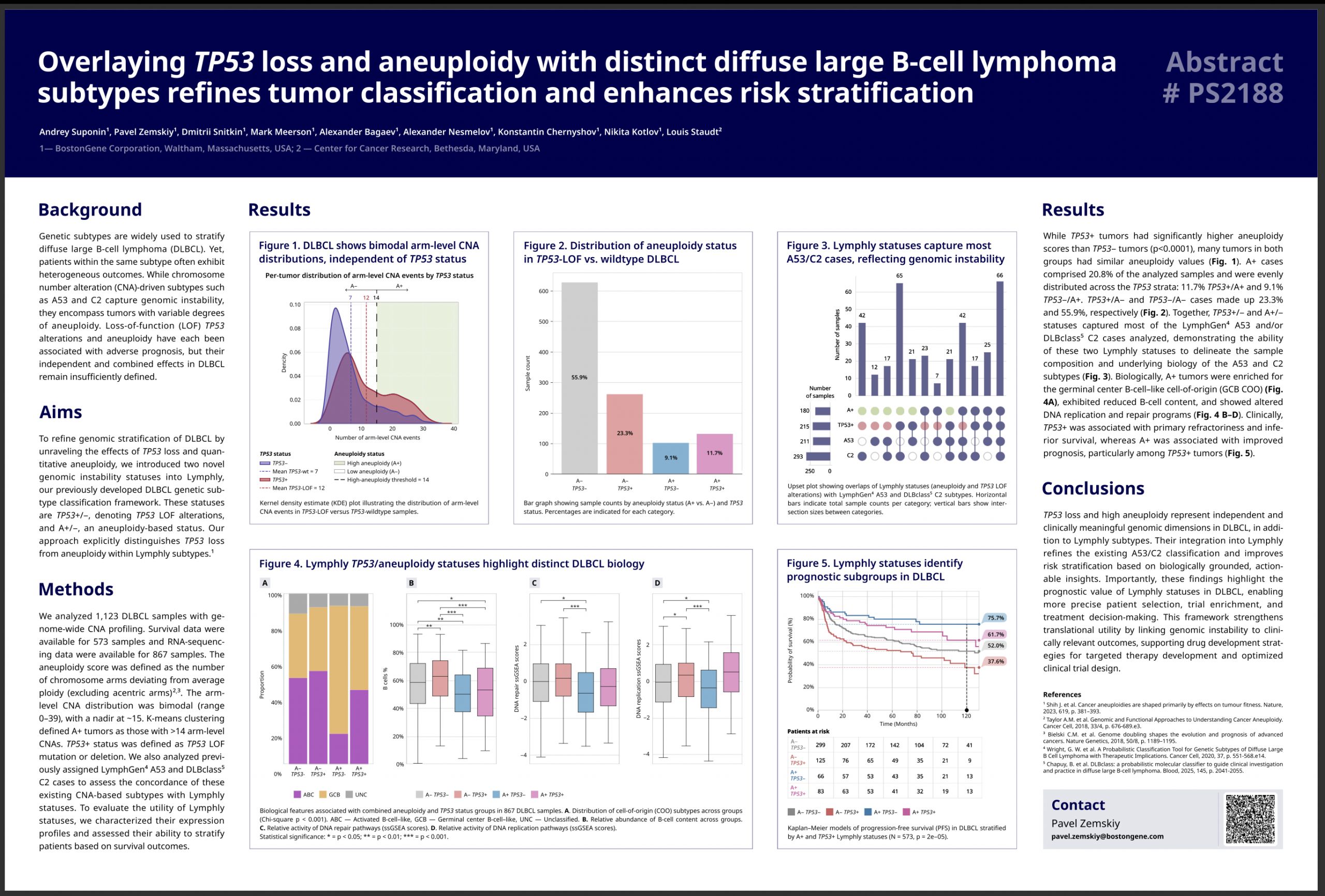
“Overlaying TP53 loss and aneuploidy with distinct diffuse large B-cell lymphoma subtypes refines tumor classification and enhances risk stratification”
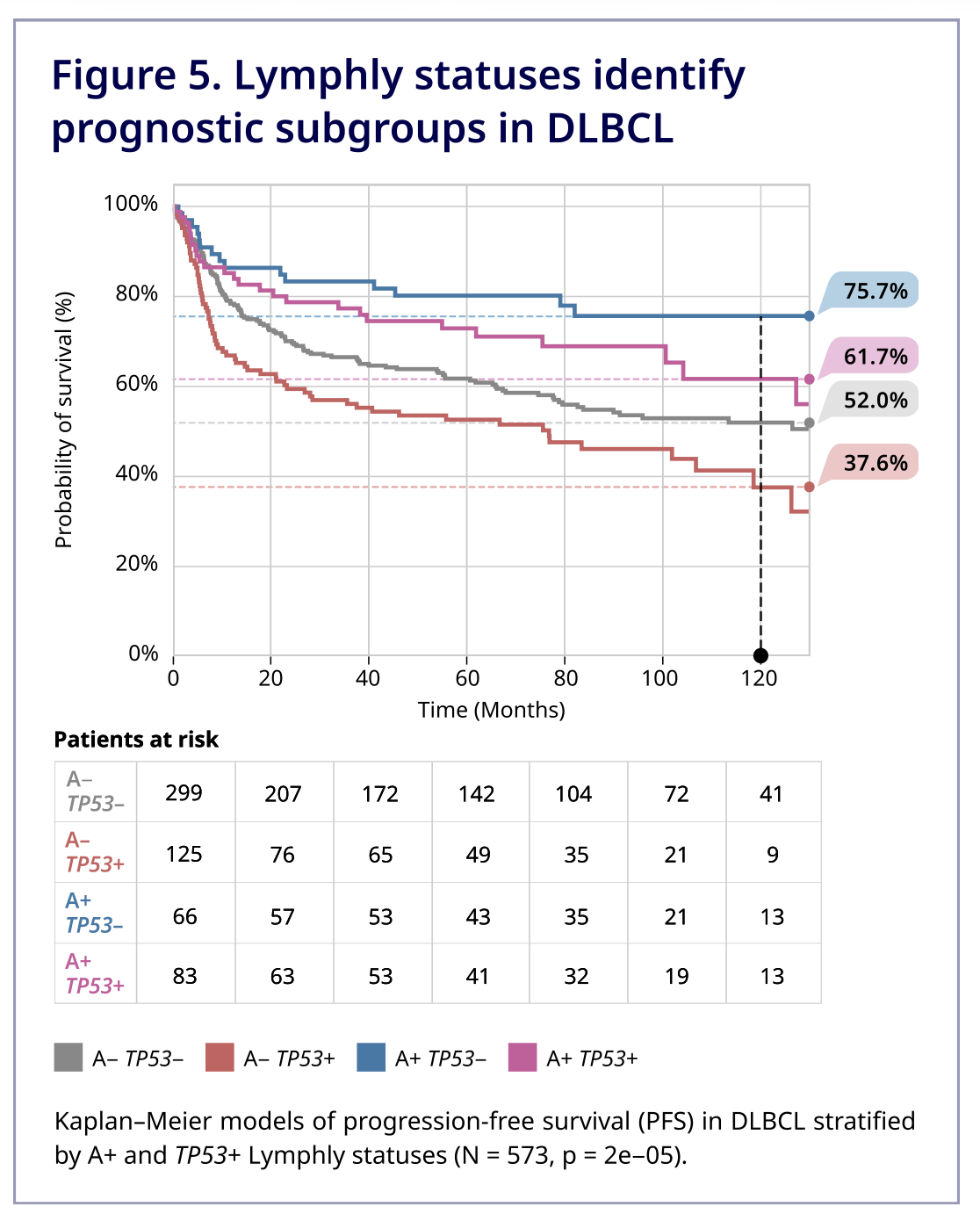
We added two independent markers of genomic instability to Lymphly: loss of TP53 function and a quantitative measure of aneuploidy. The really cool result is that patients with aneuploidy but no TP53 loss have the best survival! Their genome is a mess, but the cell’s protective mechanisms are still trying to make it self-destruct.