AACR 2026 trends
AACR is a large annual oncology conference. This year it took place in San Diego, and 22,000 participants attended the conference.
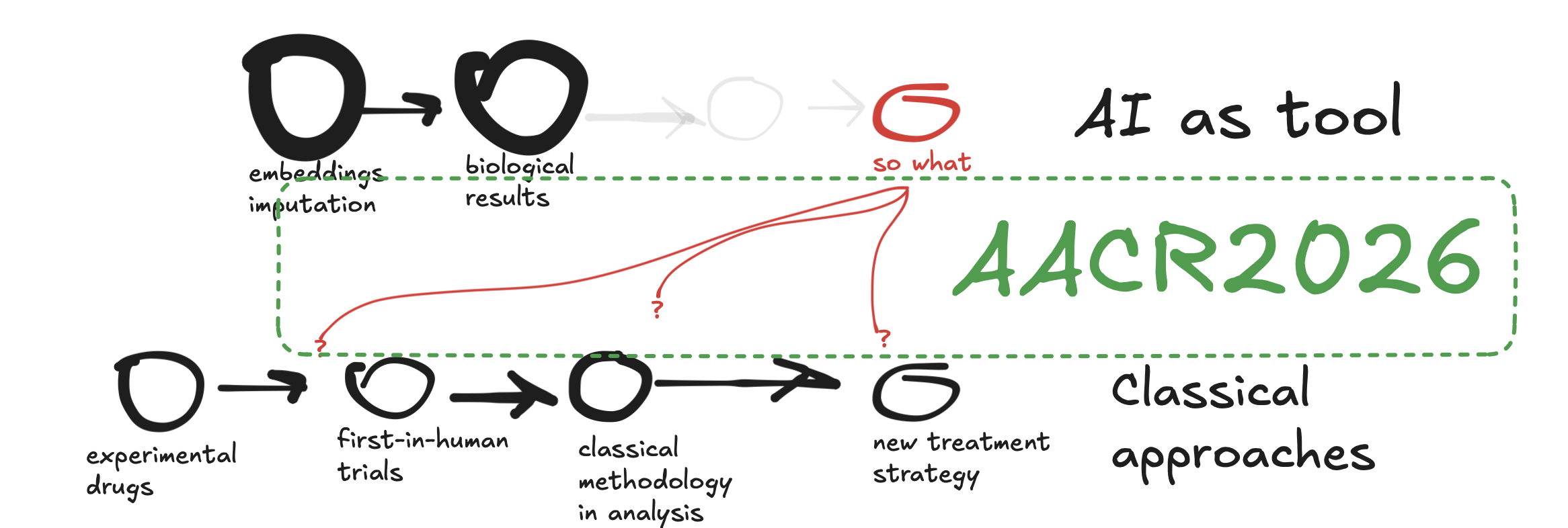
In 2026, two trends were clearly visible at AACR: impressive results from large biological models, and many new experimental drugs being developed through classical approaches. AACR 2026 tried to find points of connection between these two trends.
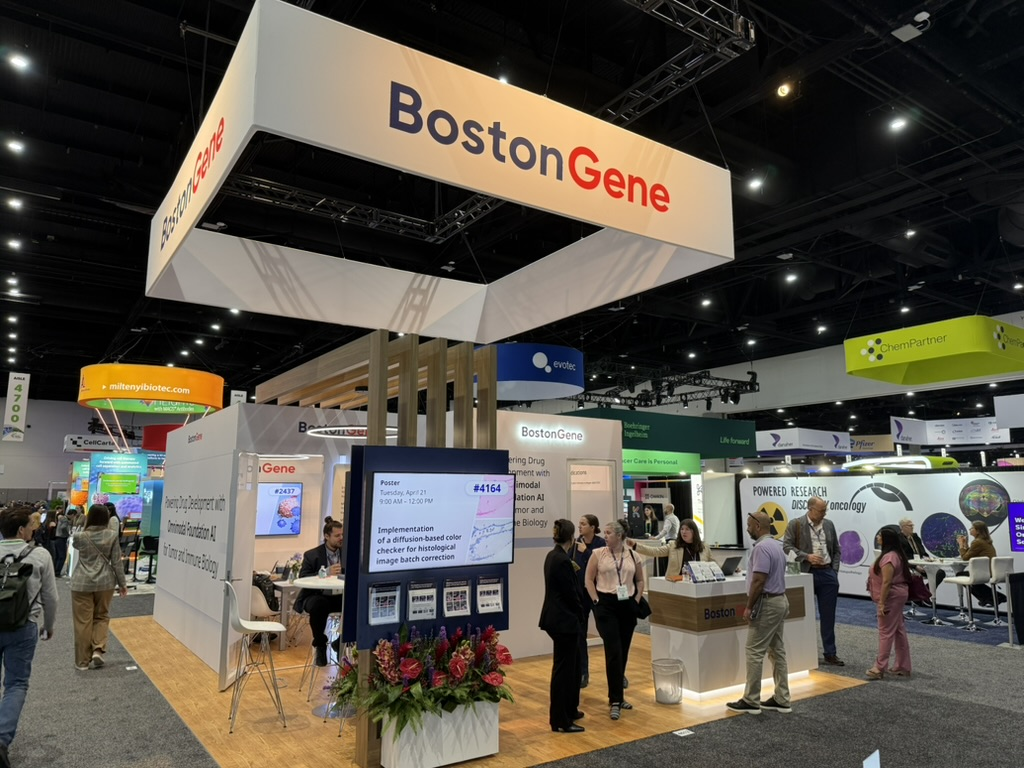
Since BostonGene is taking part in this race from the side of the first trend, offering its expertise and tools to help advance therapies through clinical trial phases, I focused mainly on the AI sessions.
Conference Opening
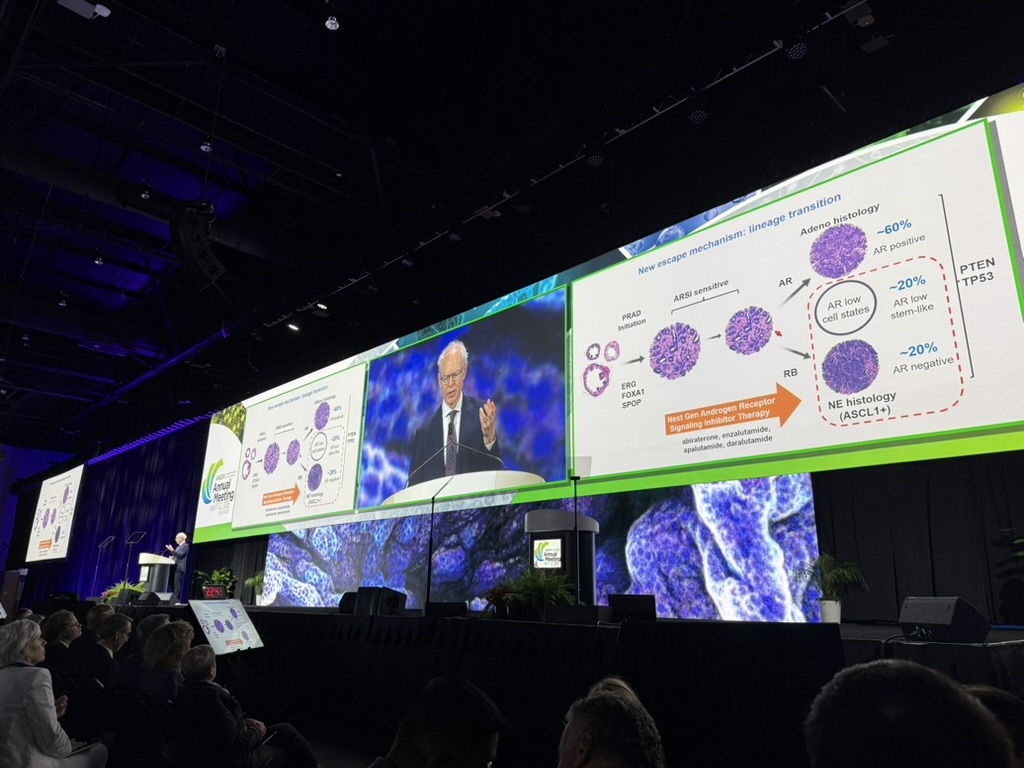
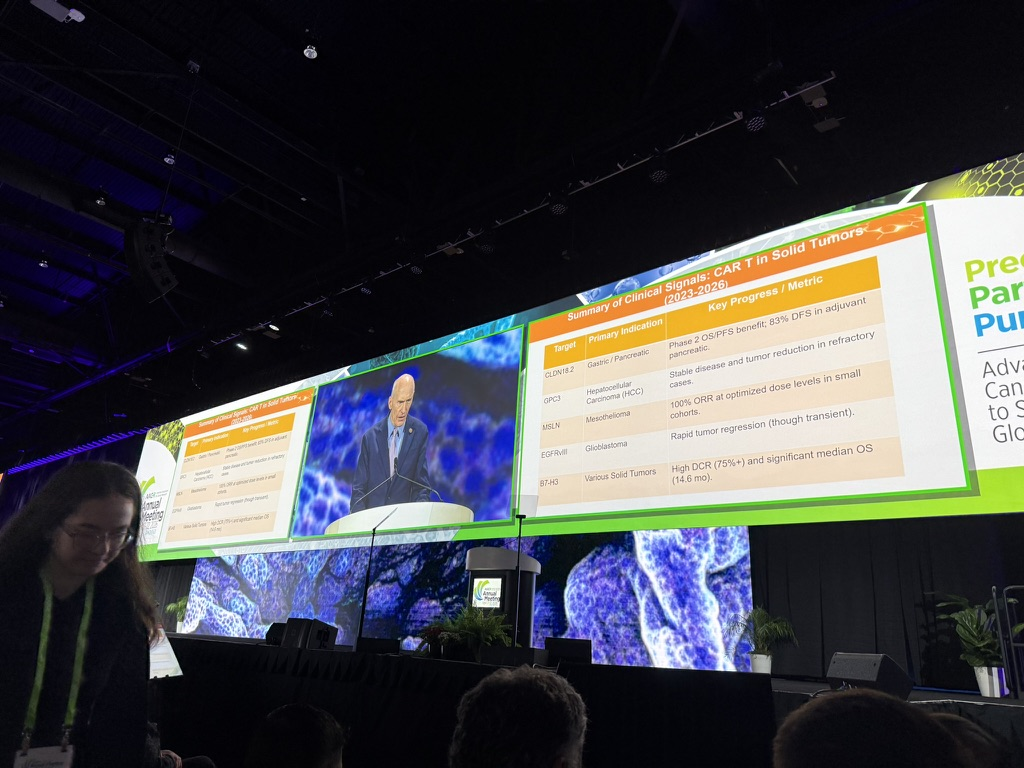
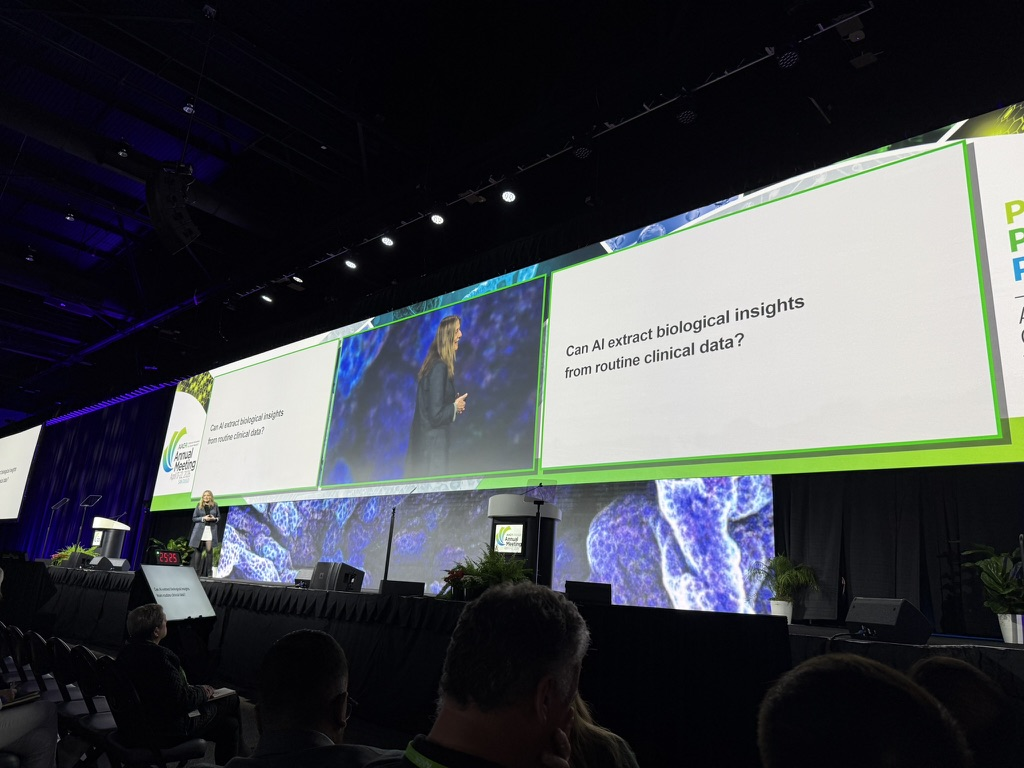
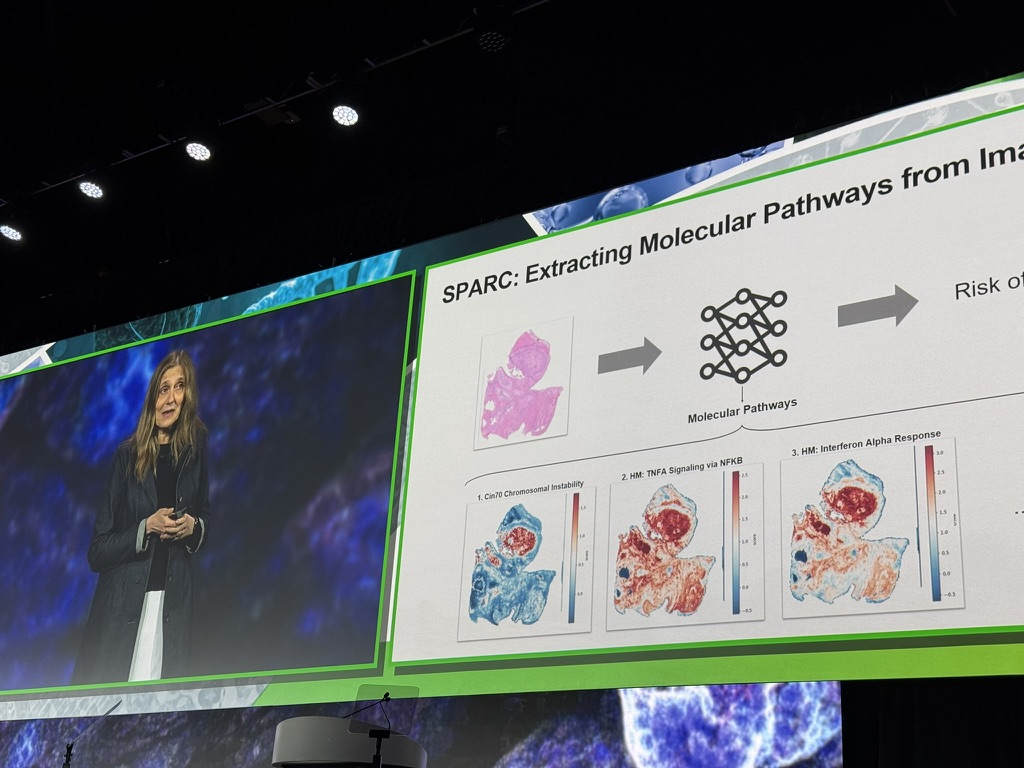
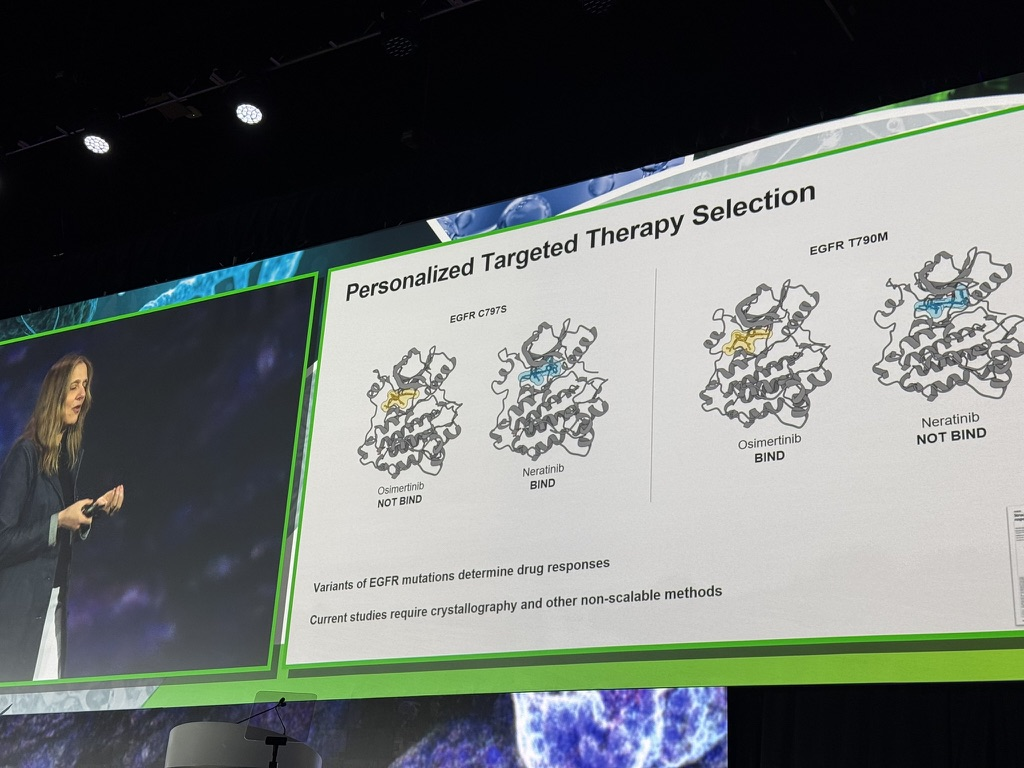
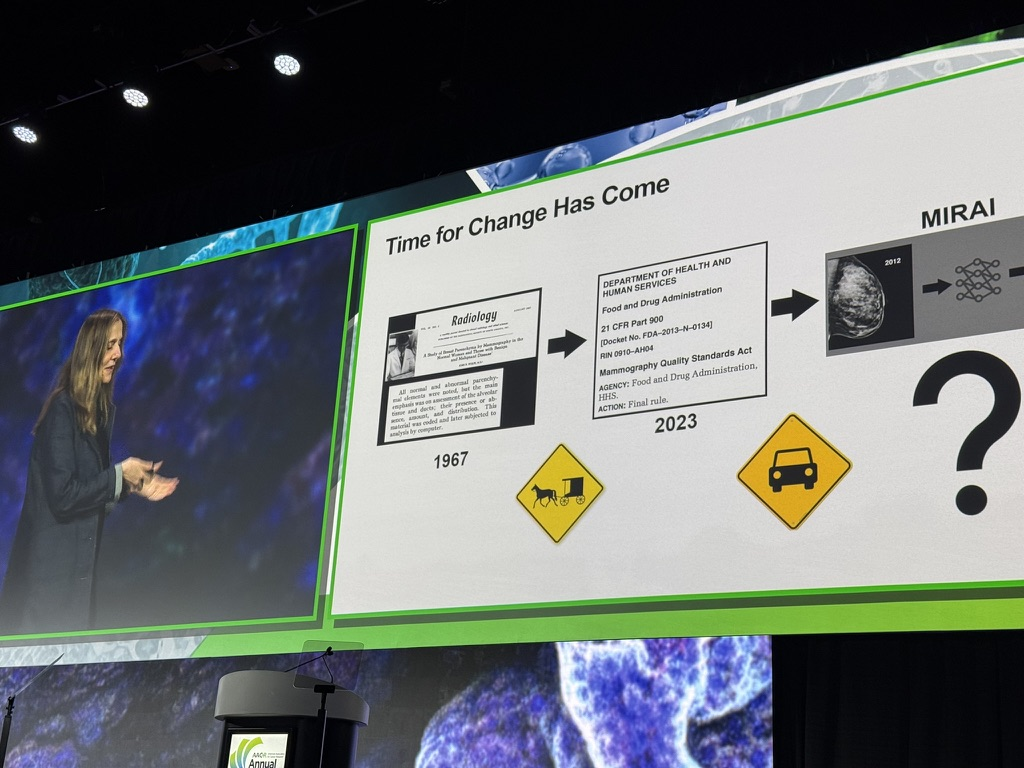
The opening immediately set the tone for the whole conference. Three speakers showed that challenges in oncology still remain and discoveries happen every year, while the arms race does not stop either: new drugs are also being developed every year. The question is: can AI help us with this?
News from the World of Large Biological Models
The session was chaired by Jakob Nikolas Kather, a rising star and professor of clinical AI at the University of Dresden, Germany.
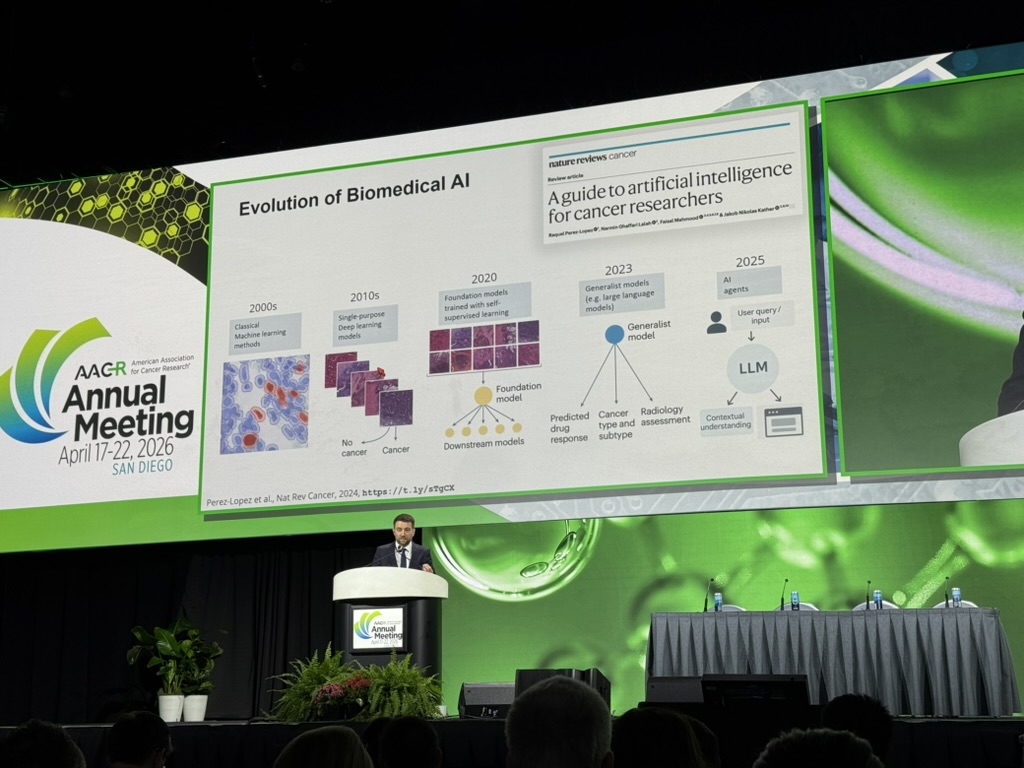
Faisal Mahmood, the father of AI in pathology, presented several new models from his lab.
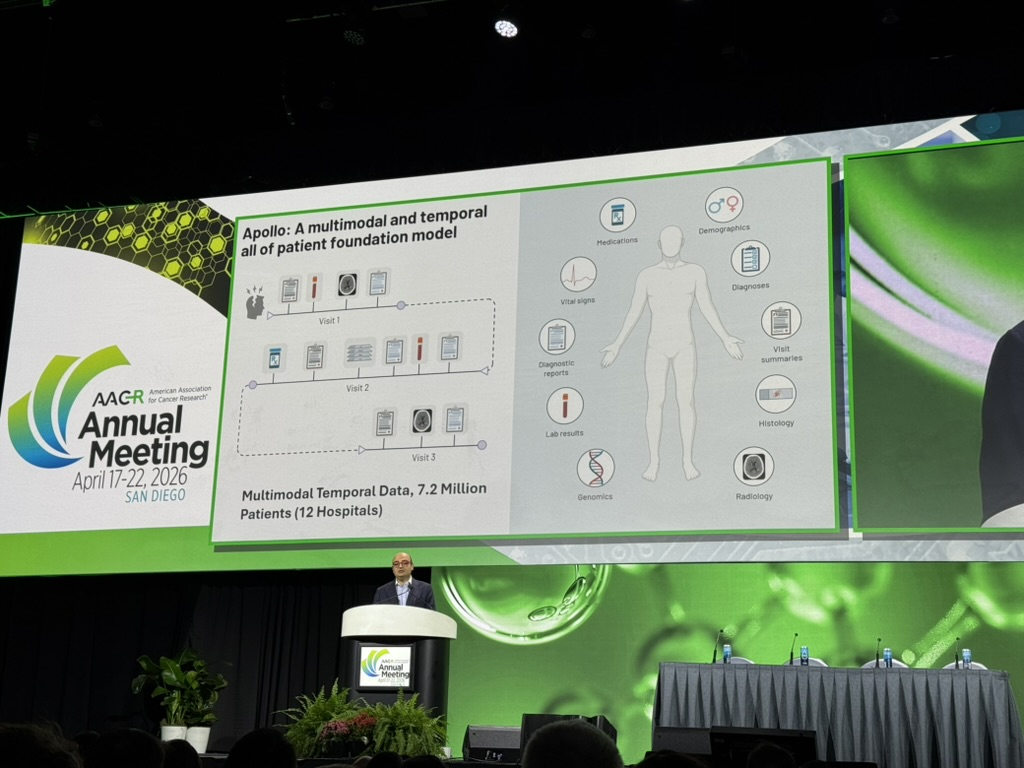
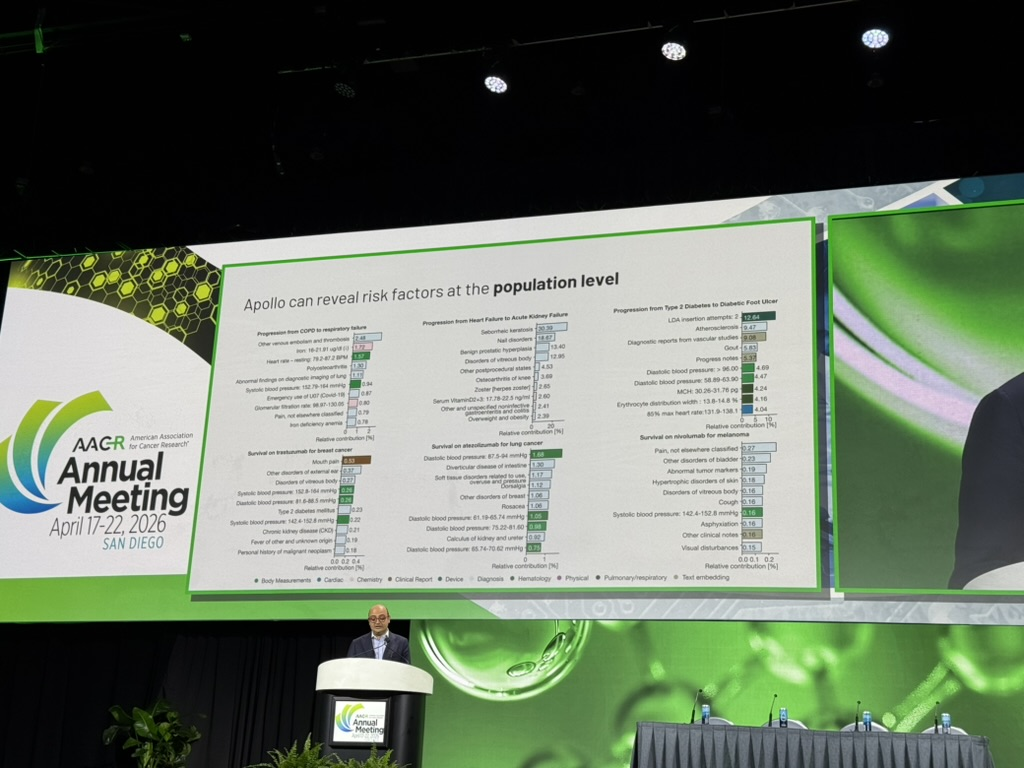
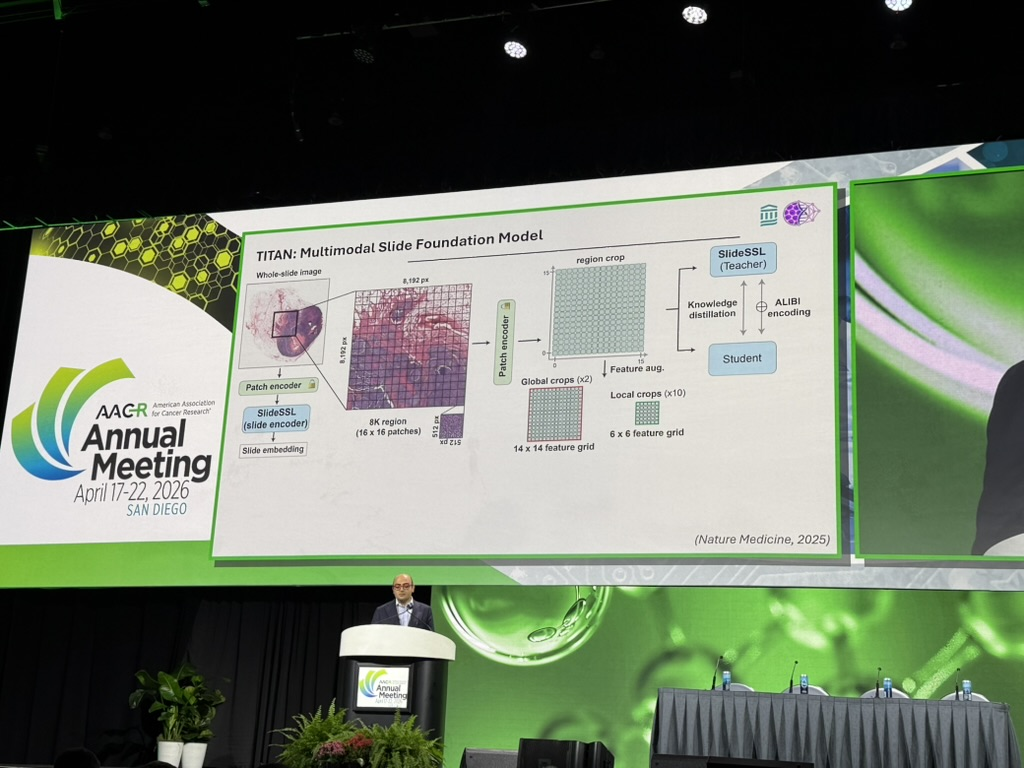
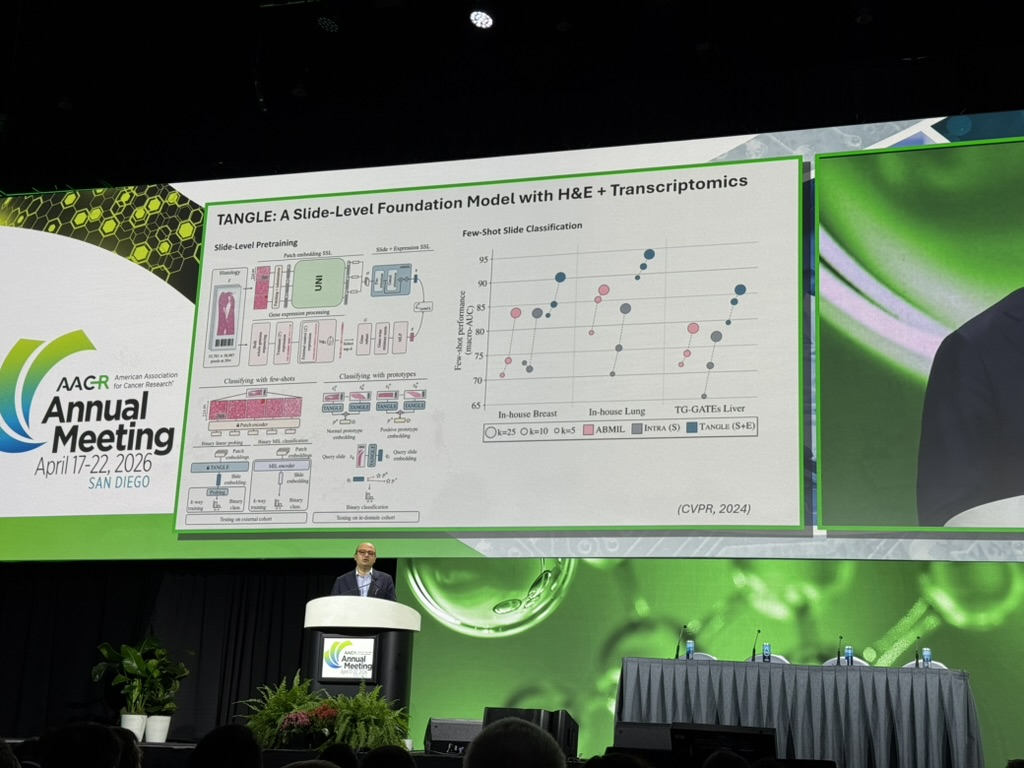
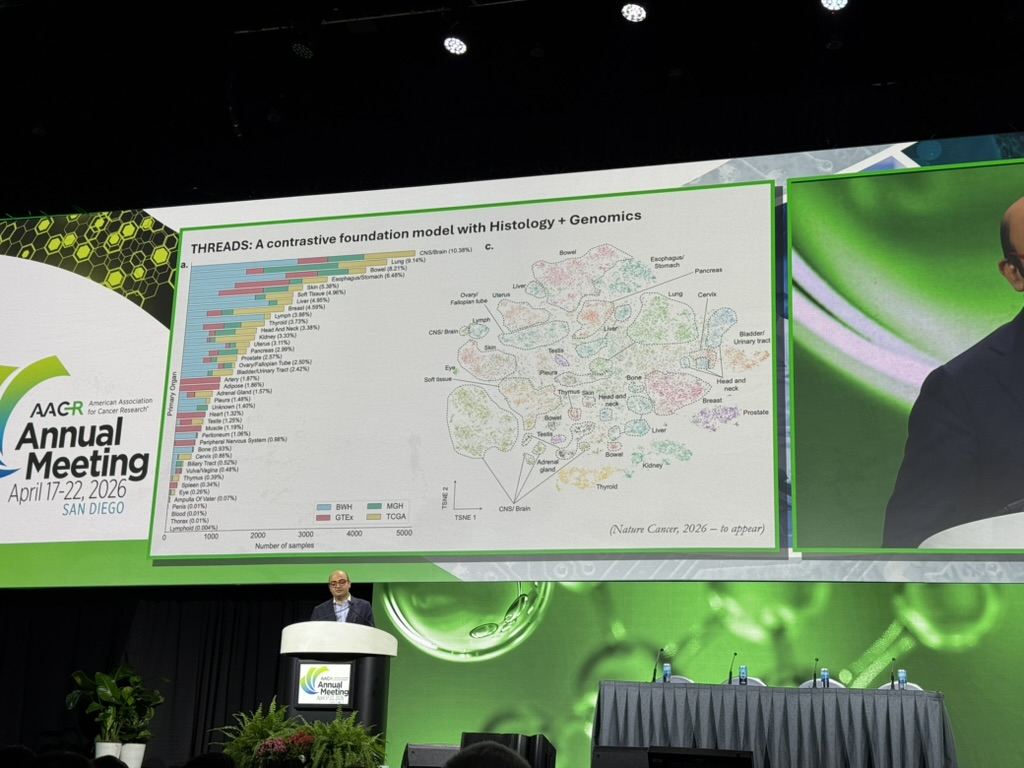
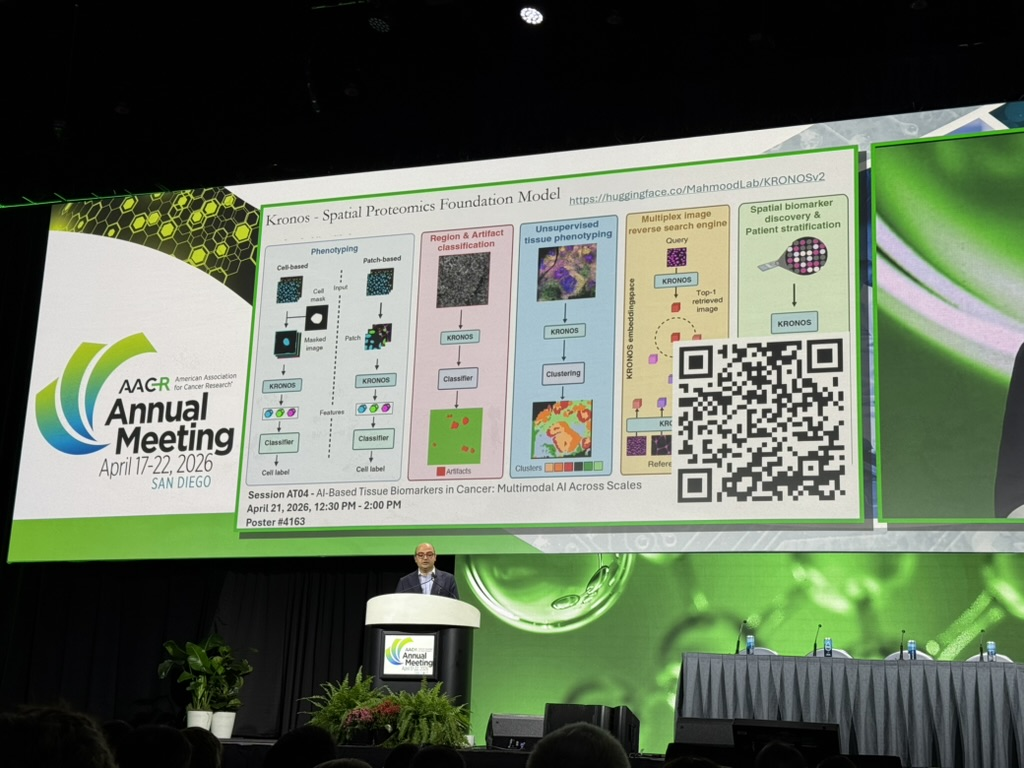
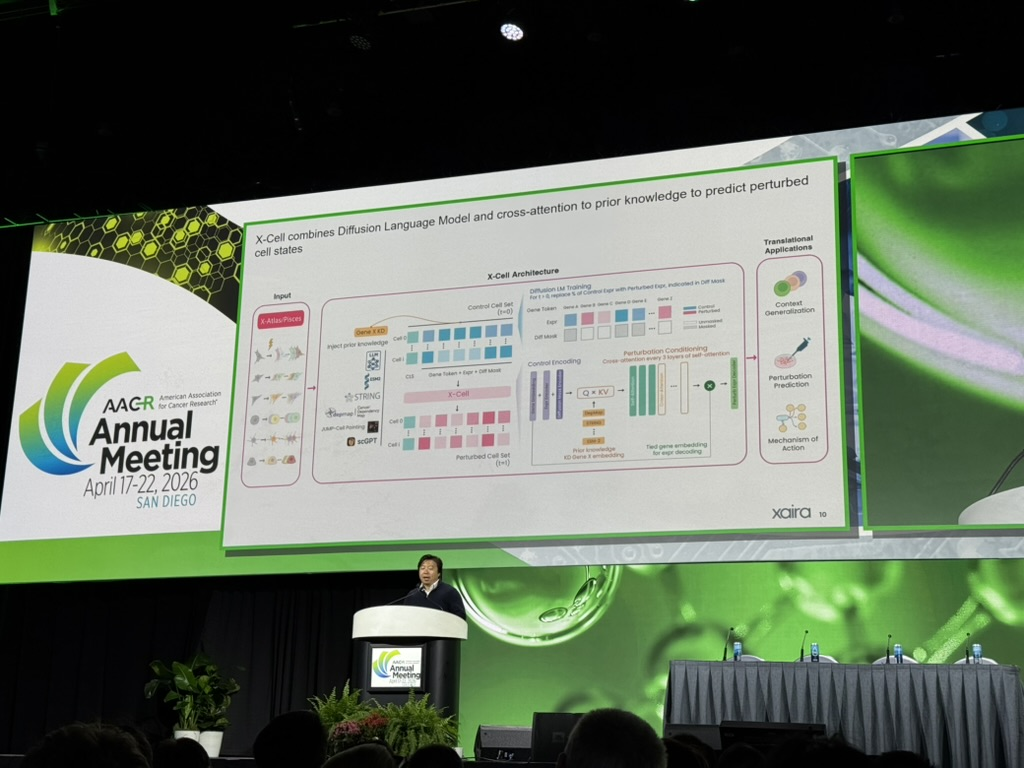
Bo Wang, the creator of scGPT, also presented two new models from his lab.
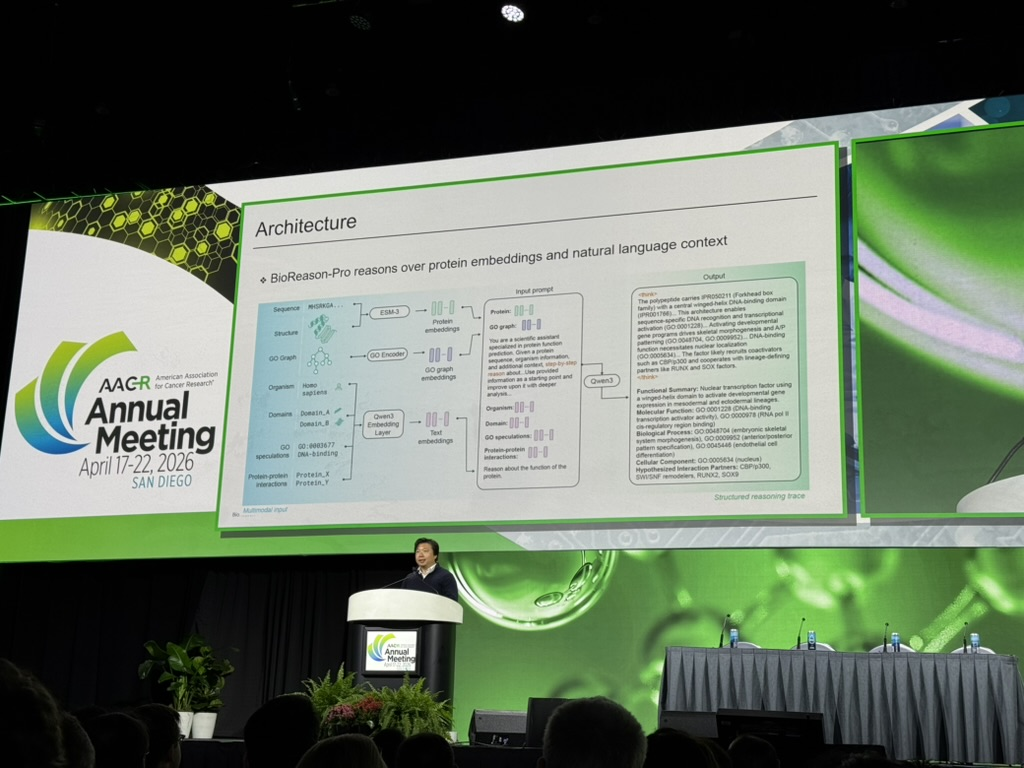
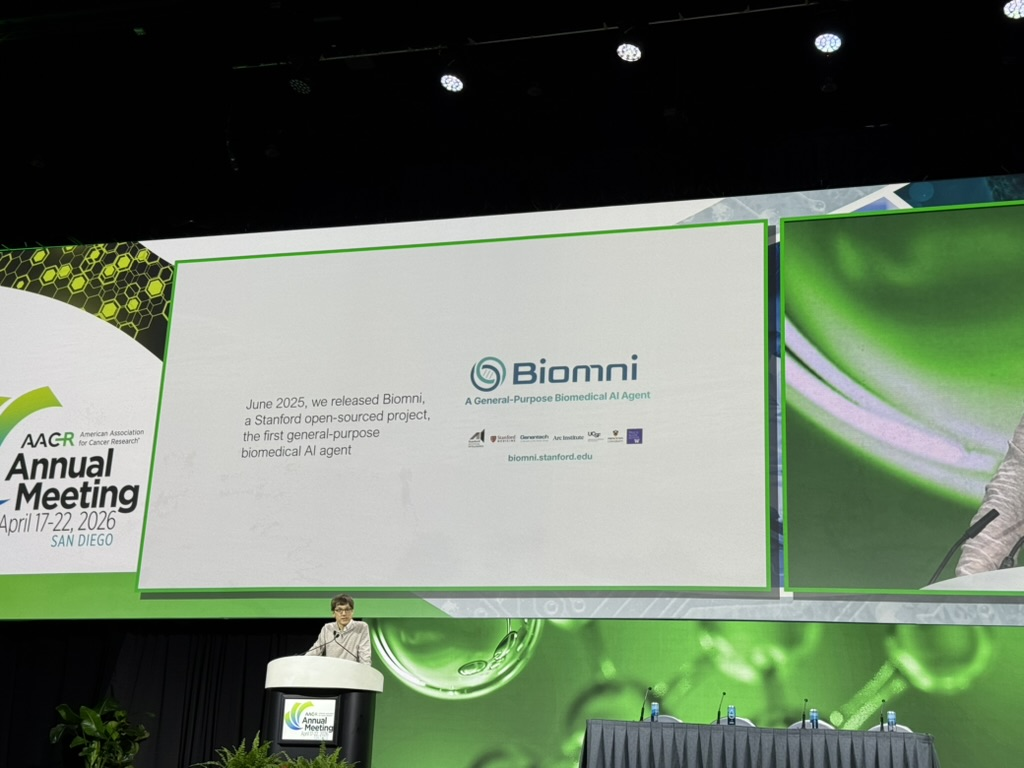
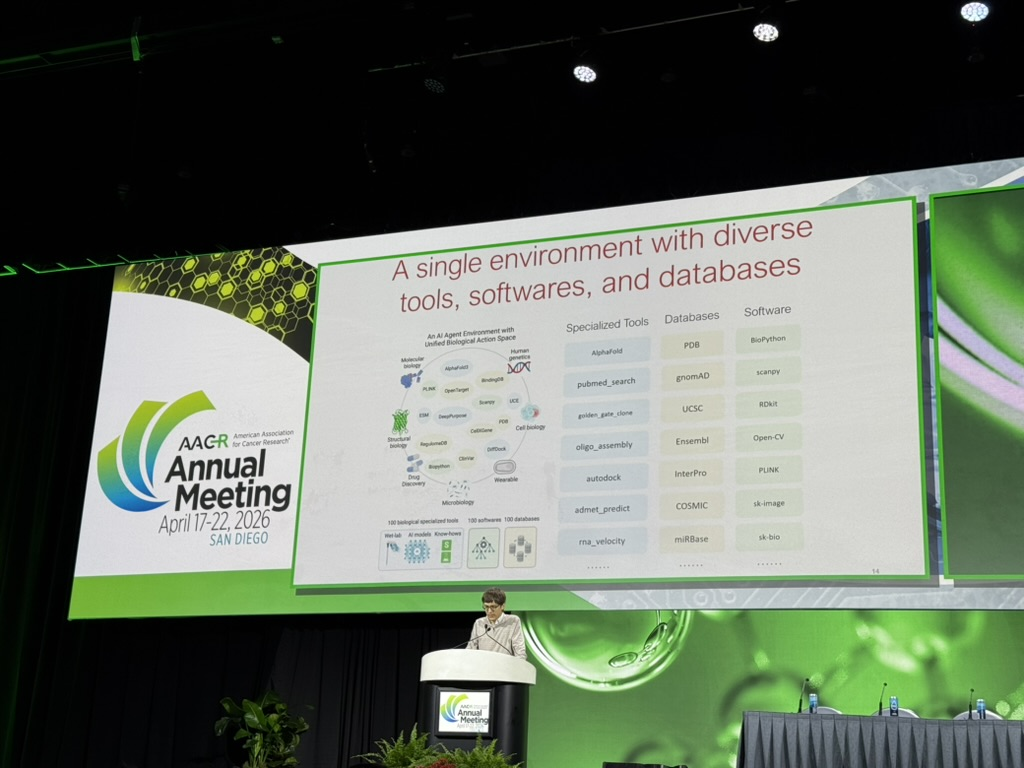
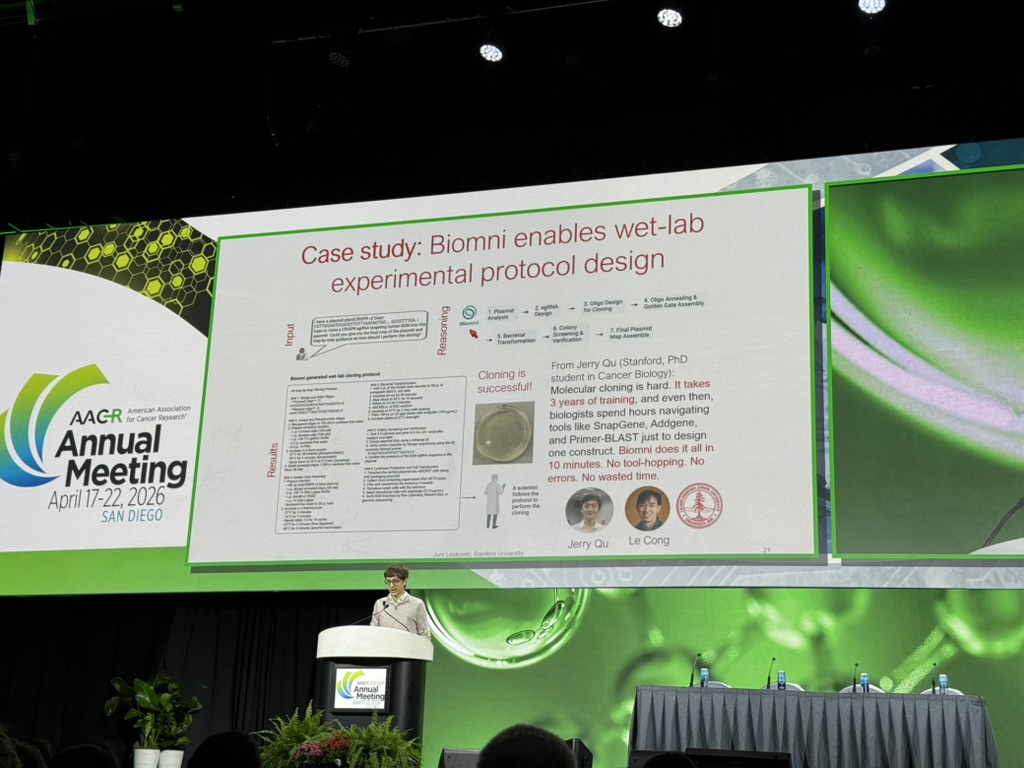
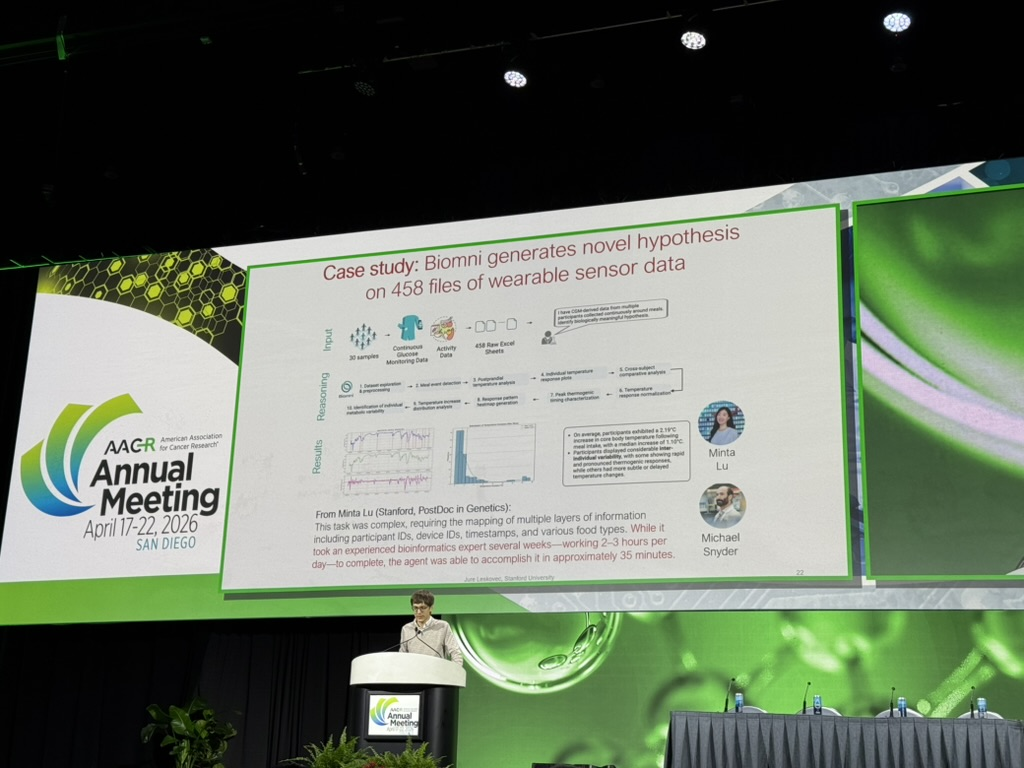
Jure Leskovec presented Biomni — an agentic system designed for multi-step work on biological questions. We should test it.
Poster Session
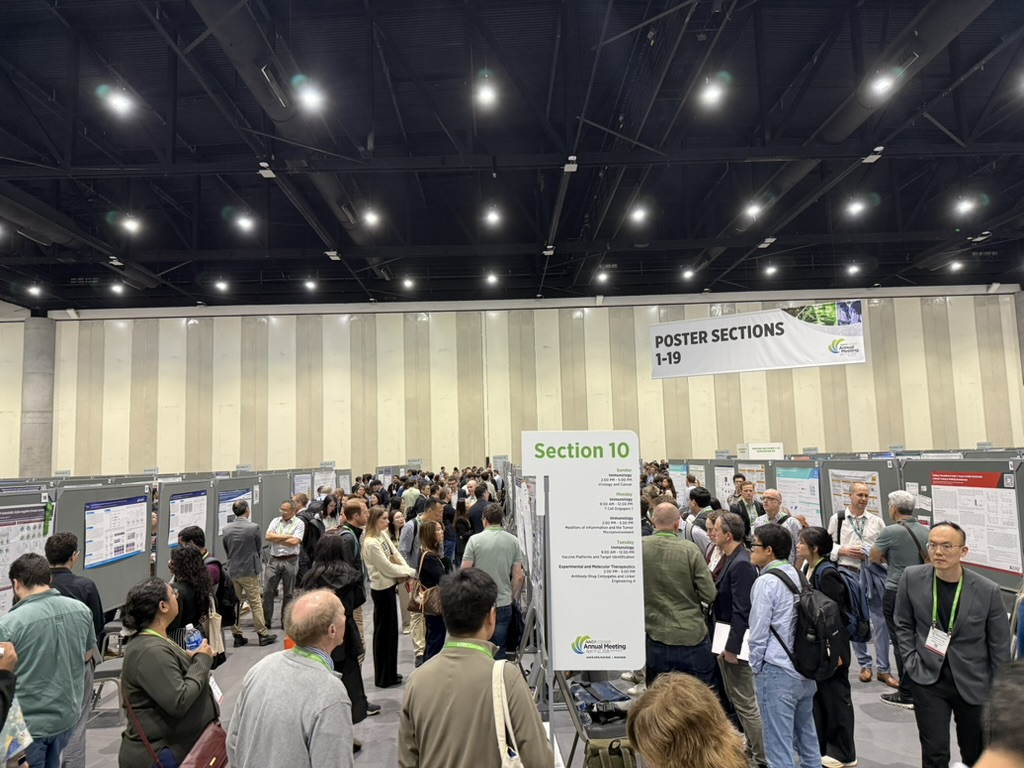
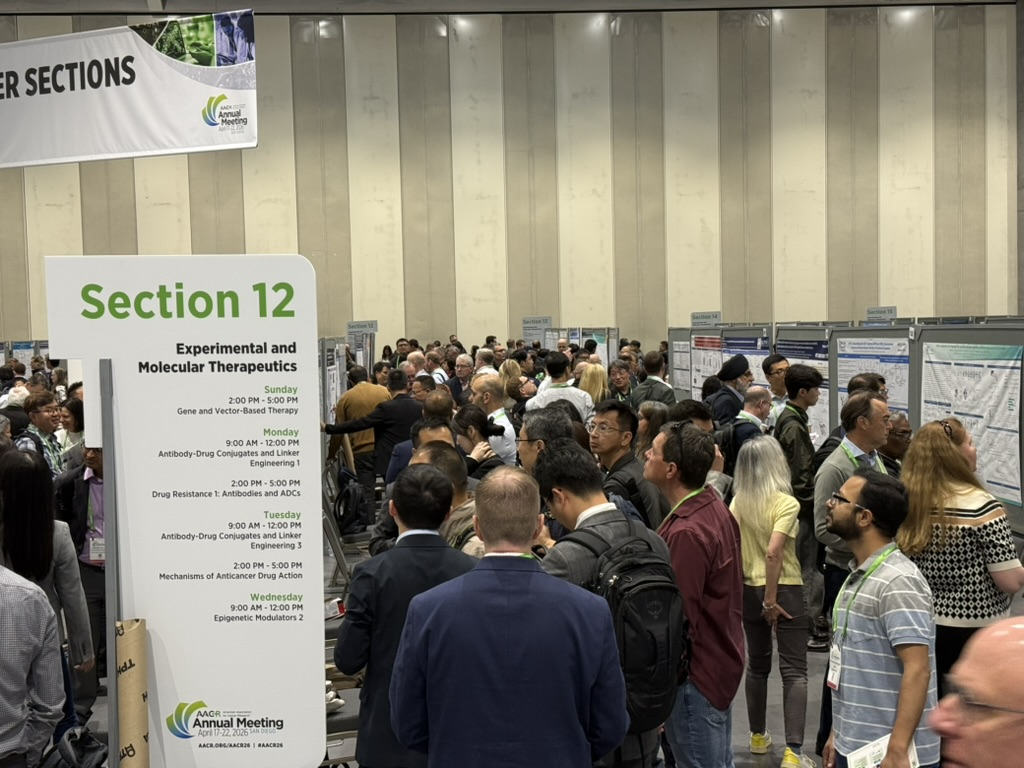
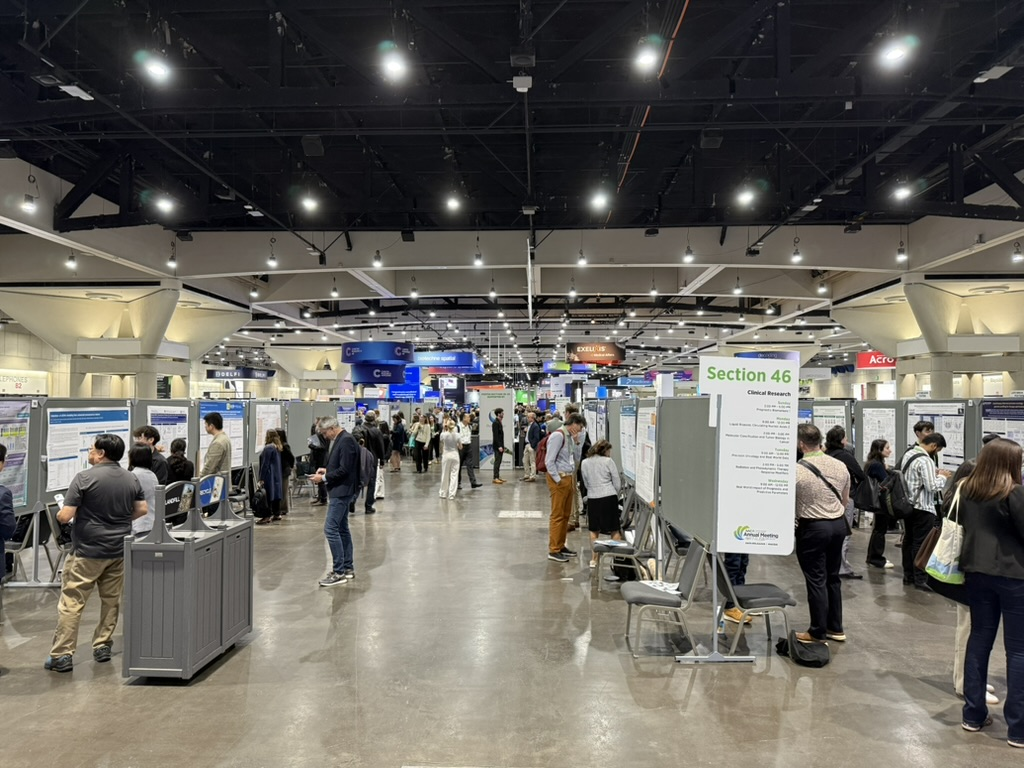
The following trend was visible at the poster sessions. The sections about new classes of therapies and first-in-human trials were extremely crowded. The AI sections had moderate interest. But the classical sections on clinical studies and bioinformatics were rather quiet.
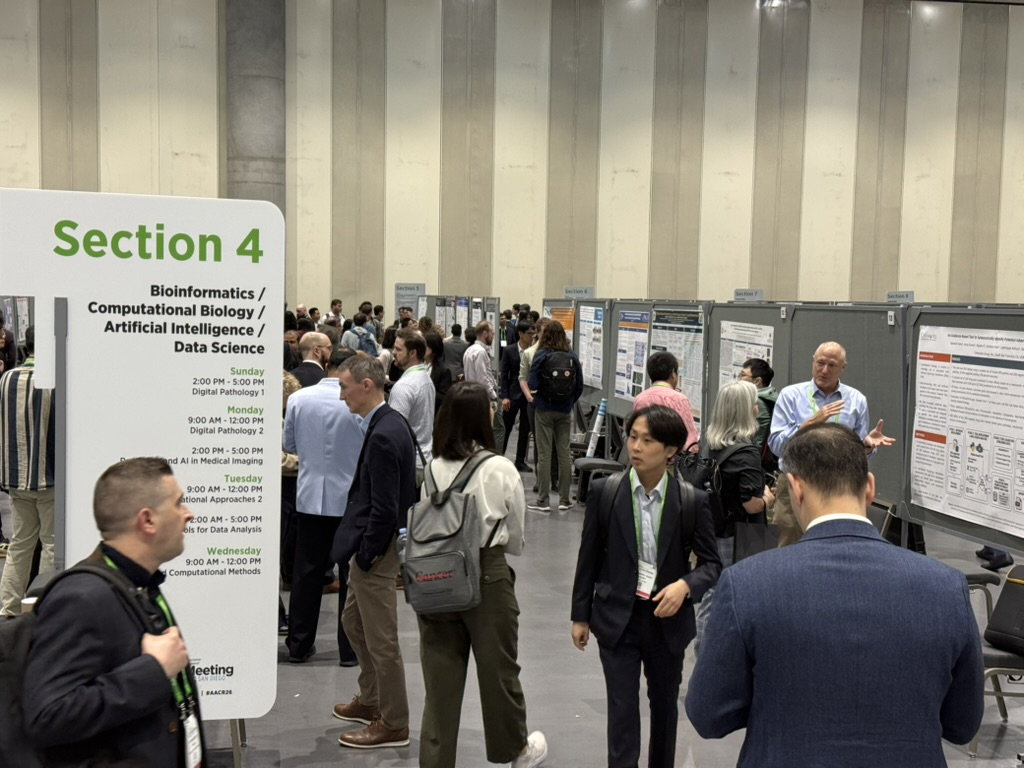
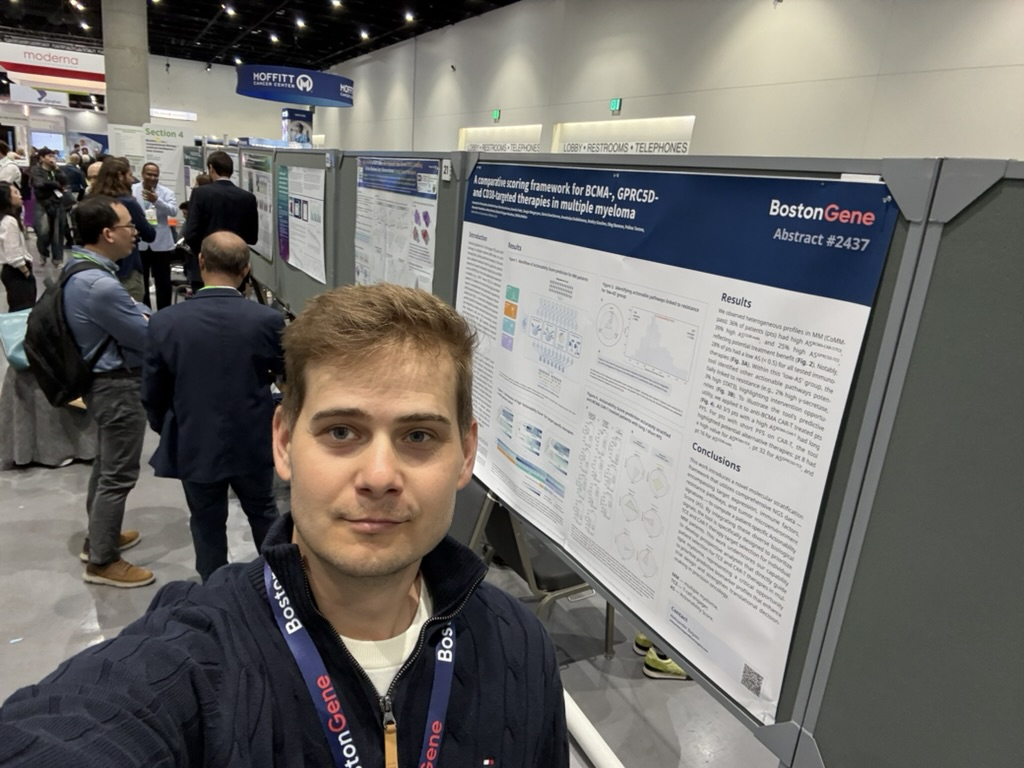
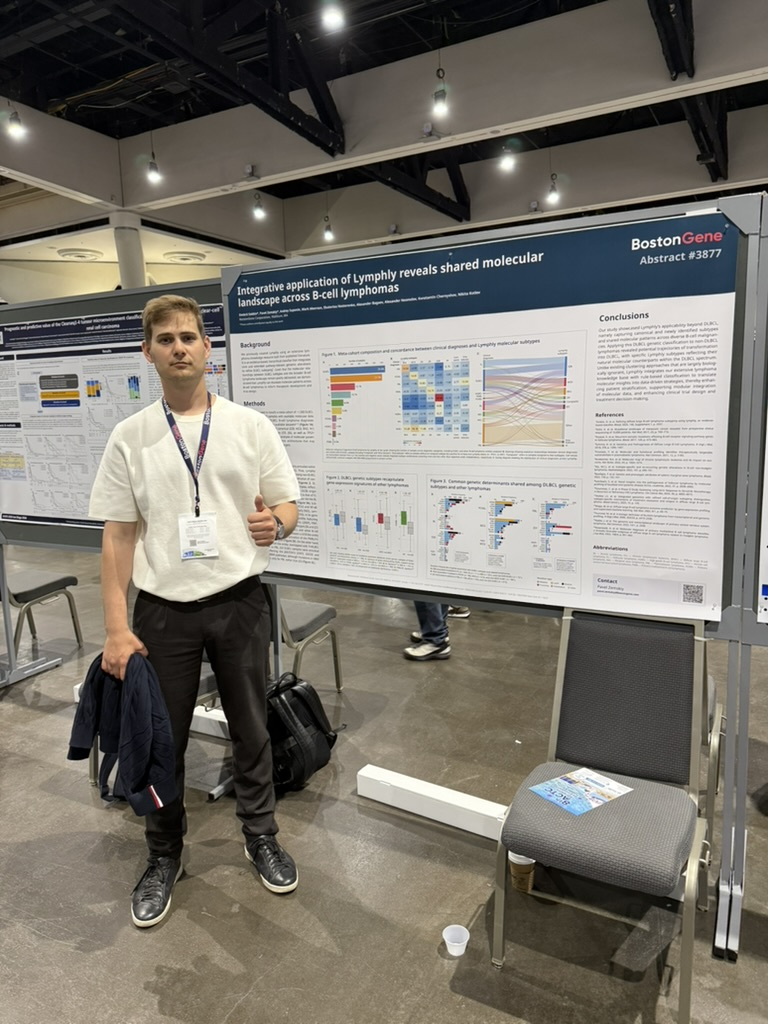
I presented two works. The first one was about identifying the right therapy for a patient with multiple myeloma. The second one was about shared genetic patterns between diffuse large B-cell lymphoma and lymphomas of other histologies.
The main conclusion is that we can work on this area where AI meets the trend of advancing new types of therapies.